Choosing the right vessel type is critical for a successful Bali liveaboard diving experience in 2026. Divers exploring Indonesia’s rich marine ecosystems, from Nusa Penida to Komodo and Alor, encounter three primary vessel categories: the traditional Phinisi, modern catamaran, and efficient motor yacht. Each offers distinct advantages in terms of comfort, stability, speed, and budget. Liveaboard prices across the region range from an entry-level USD 250 per person per night for shorter Bali-only trips to over USD 850 per night for luxury expeditions. The Indonesian government actively promotes marine tourism, highlighting the archipelago’s vast underwater biodiversity and the cultural significance of its maritime traditions. Indonesia.travel reports a steady increase in dive tourism, with a significant portion targeting liveaboard experiences.
The Traditional Phinisi: A Legacy on the Waves
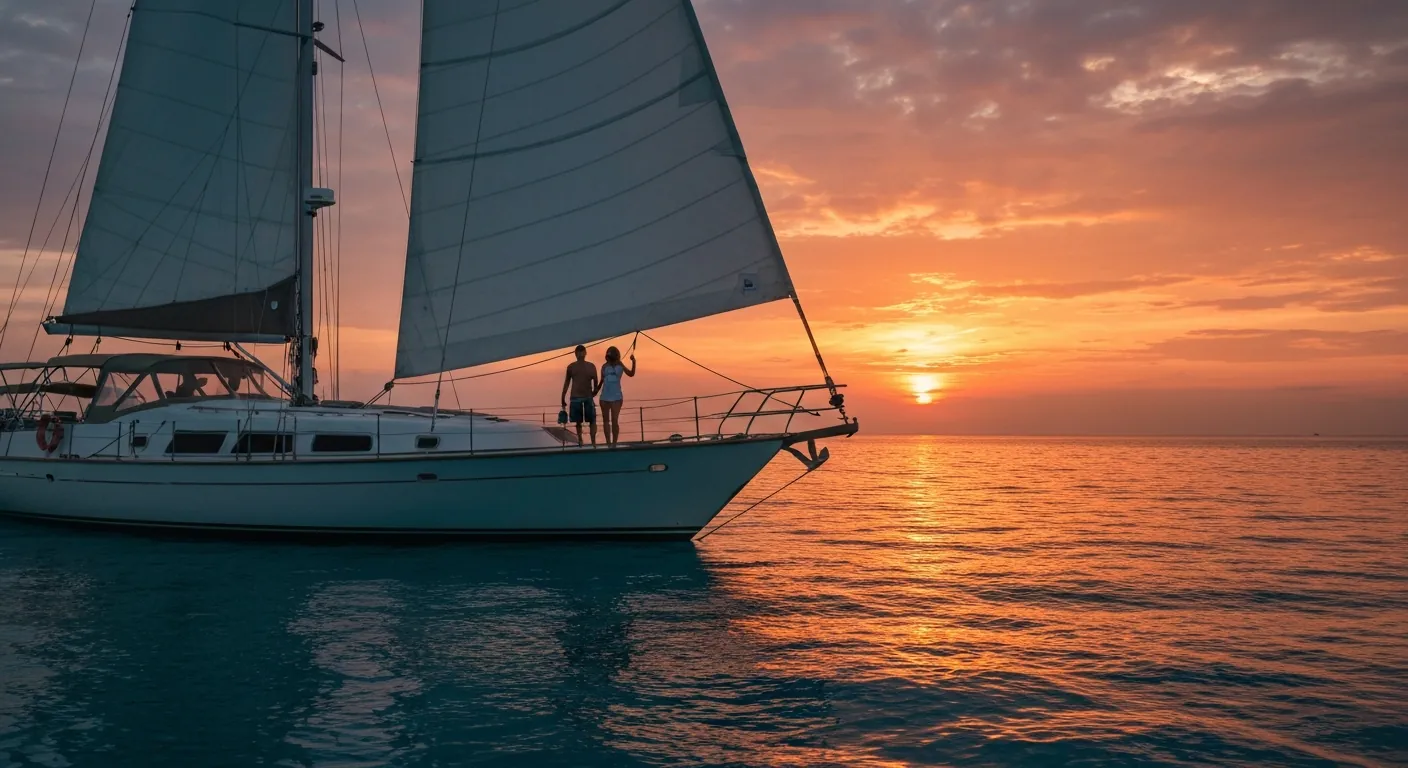
The Phinisi is a two-masted wooden sailing vessel originating from the Buginese and Makassarese people of South Sulawesi, Indonesia. These vessels are typically constructed from ironwood and teak, ranging from 25 to 45 meters in length, accommodating 8 to 20 guests with a crew of 10-20. The Phinisi offers an authentic Indonesian maritime experience, combining traditional aesthetics with modern amenities. Many mid-range Phinisi liveaboards, priced between USD 280 and USD 450 per person per night for 7-10 night Bali-Komodo or Bali-Alor itineraries, feature air-conditioned ensuite cabins and dedicated camera facilities. Entry-level options for 3-4 night Bali mini-liveaboards start at USD 250-350 per night, often with shared bathrooms and simpler service. The art of Phinisi boatbuilding was recognized by UNESCO in 2017 as Intangible Cultural Heritage of Humanity, underscoring its deep cultural roots. UNESCO notes the intricate craftsmanship passed down through generations.
Phinisis are popular among couples (40-50% of buyers) and friend groups (20-30%) seeking a blend of cultural immersion and serious diving. Many vessels cater to underwater photographers with designated camera rooms, charging stations, and rinse tanks. Solo travelers often find cabin-share options on Phinisis, providing a social environment and mitigating single-supplement costs. These boats typically offer 3-4 dives daily, including night dives, exploring sites like Nusa Penida, Menjangan, and onward to Komodo’s vibrant reefs. The slower pace allows for more relaxed cruising between dive locations.
Modern Catamarans: Stability and Space
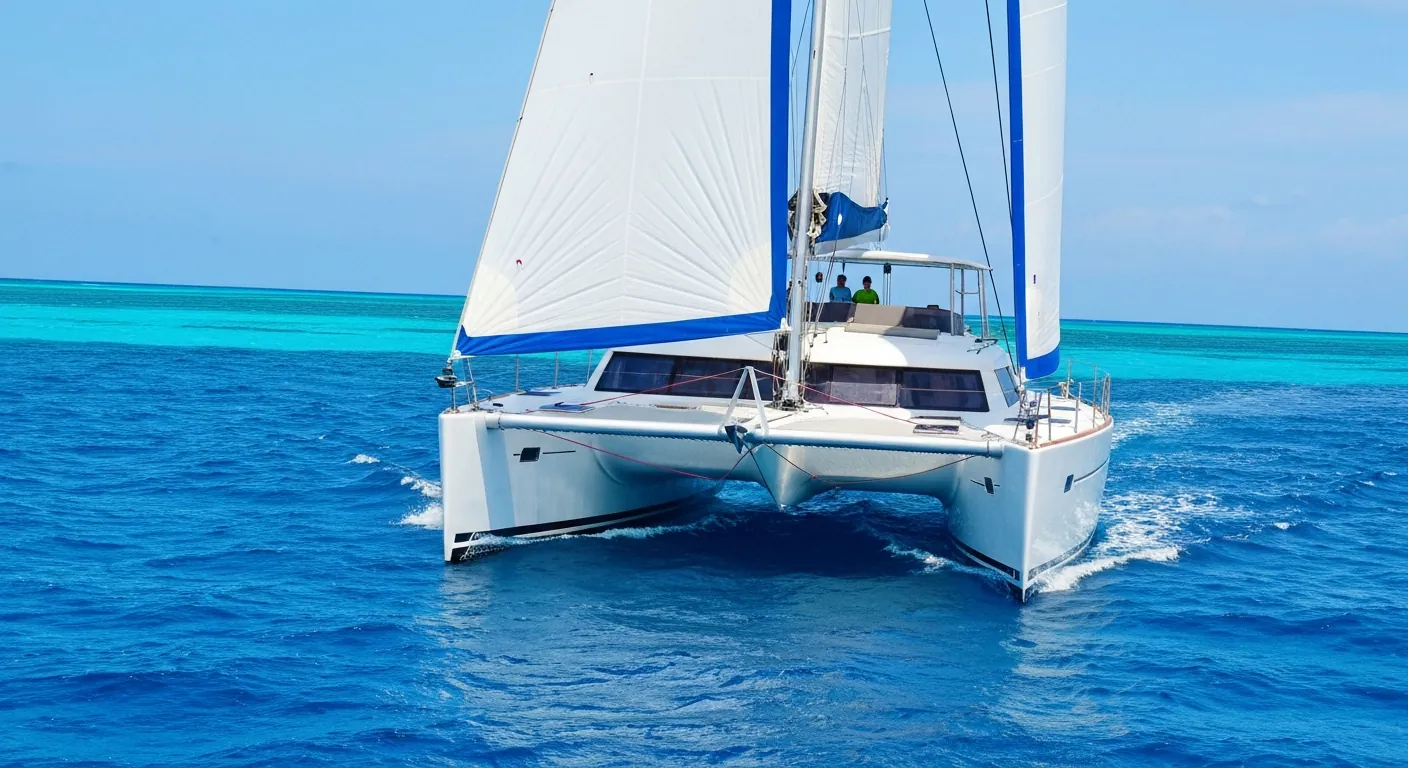
Catamarans are twin-hulled vessels known for their exceptional stability and spaciousness. Constructed typically from fiberglass or steel, liveaboard catamarans for diving in Bali usually range from 20 to 35 meters, hosting 10 to 18 guests. Their dual-hull design significantly reduces rolling motion, making them an ideal choice for divers prone to seasickness. This inherent stability also provides generous deck space and often larger, more comfortable cabins compared to monohulls of similar length. Catamarans are frequently found in the mid-range to luxury segment, with prices often starting from USD 350 per person per night and extending upwards of USD 600 per night, particularly for premium Bali-Komodo or Alor 7-10 night trips. The Ministry of Tourism and Creative Economy of Indonesia, Kemenparekraf.go.id, highlights the role of modern vessels in expanding marine tourism accessibility.
The expansive layout of catamarans appeals to diverse groups, including families (5-10% of buyers) seeking more communal and private space, and underwater photographers who benefit from dedicated workstations and charging areas. Their design often allows for easy water access, with broad dive platforms ideal for gearing up. Many catamarans offer nitrox for extended bottom times, a key consideration for experienced divers. They are well-suited for itineraries focusing on regions like Nusa Penida and Nusa Lembongan, where steady conditions enhance the dive experience. Catamarans provide a smooth cruising experience, allowing guests to relax between dive sessions without significant motion discomfort.
Motor Yachts: Speed and Efficiency
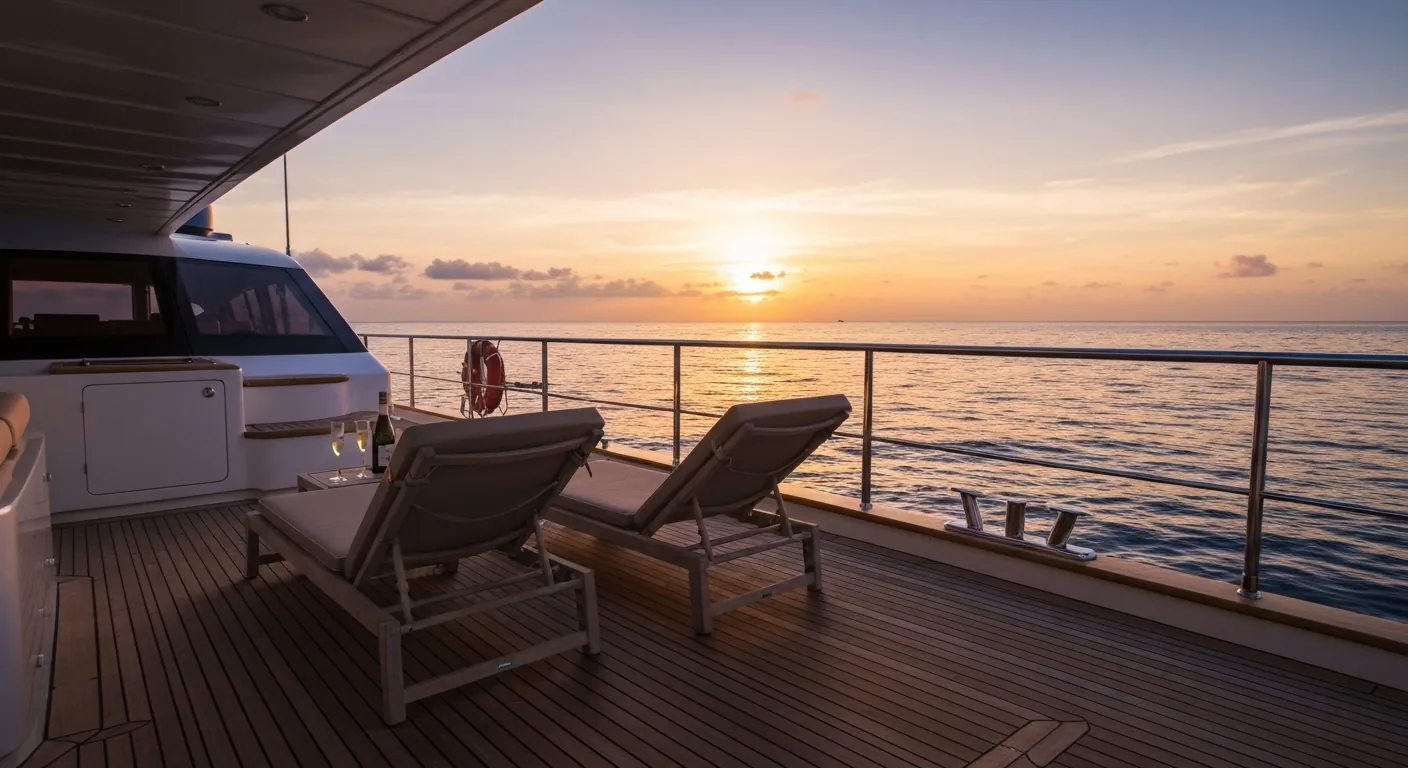
Motor yachts are propulsion-driven vessels designed for speed and efficient travel, typically featuring a single hull. These liveaboards, often built from steel or fiberglass, vary widely in size but commonly accommodate 6 to 12 guests, prioritizing smaller, more intimate group experiences. Their primary advantage lies in their ability to cover significant distances quickly, allowing for rapid transit between dive sites or regions. This efficiency is particularly valuable for itineraries that span multiple diverse locations, such as a Bali to Komodo liveaboard, where covering ground swiftly maximizes dive time. Motor yachts often operate at the higher end of the mid-range to luxury spectrum, with prices typically starting around USD 400 and exceeding USD 800 per person per night for premium 8-12 night expeditions.
Divers with specific time constraints or those targeting particular seasonal highlights like manta rays in Nusa Penida or mola mola during certain months often prefer motor yachts. Their speed allows operators to adapt itineraries more dynamically to weather conditions or specific marine life sightings. Many motor yachts offer advanced diving amenities, including nitrox, and cater to divers with Advanced Open Water (AOW) certification and experience with drift and deep dives, which are common requirements for certain Indonesian sites. The Ministry of Maritime Affairs and Fisheries, Maritim.go.id, regulates vessel operations to ensure safety and environmental compliance across Indonesian waters. These vessels often provide a more personalized service due to their smaller guest capacity.
Choosing Your Vessel: Key Considerations for 2026
Selecting the ideal Bali liveaboard for 2026 involves weighing several critical factors beyond just vessel type. Safety and professionalism remain paramount; divers consistently prioritize boat condition, guide-to-diver ratios, emergency protocols, and access to hyperbaric chambers in Bali. Price transparency is another major concern for travelers, with a preference for all-inclusive pricing that covers park fees, nitrox, transfers, and port taxes, avoiding unexpected add-ons. Understanding safety and insurance options is essential for peace of mind.
The specific itinerary and expected dive conditions are also crucial. Divers consider sites like Nusa Penida, Menjangan, Komodo, and Alor, along with typical visibility, water temperatures (e.g., June-October for cooler waters in Nusa Penida, December-January for warmer conditions), and seasonal marine life encounters. For instance, a “bali komodo liveaboard 7 day itinerary” will offer different experiences and challenges than a “bali alor liveaboard 10 nights.” Certification requirements, such as Advanced Open Water and a minimum number of logged dives, along with experience in drift or deep diving, influence vessel suitability. Review advanced open water requirements for specific trips.
Safety and Professionalism on Bali Liveaboards
Safety is the top decision factor for liveaboard divers. Reputable operators adhere to strict safety standards, including regular vessel maintenance, comprehensive crew training, and clear emergency procedures. A favorable guide-to-diver ratio ensures personalized attention and enhanced safety underwater. Divers should confirm that the liveaboard carries appropriate insurance and understands local hyperbaric chamber access in Bali. Many operators recommend personal dive insurance from organizations like DAN. These assurances are particularly important for solo travelers and families. The “bali liveaboard diving safety and insurance” query frequently appears in pre-booking research, reflecting this priority.
- Safety & Professionalism: Evaluate boat condition, guide-to-diver ratio (ideally 1:4 or 1:5), emergency protocols, and availability of DAN coverage or hyperbaric chamber access in Bali.
- Itinerary & Conditions: Confirm specific dive sites (Nusa Penida, Menjangan, Gili, Komodo, Alor), typical currents, visibility, water temperature, and seasonal highlights (manta rays, mola mola, hammerheads). Explore popular Komodo itineraries.
- Price Transparency: Seek all-inclusive pricing that clearly states what is included (park fees, nitrox, transfers, port taxes) versus any potential add-ons.
- Certification Requirements: Verify minimum certification levels (e.g., Advanced Open Water), recommended number of logged dives, and required experience with drift or deep diving.
- Cabin Comfort: Consider air conditioning, ensuite bathrooms, bed size, and noise levels, especially for longer trips (e.g., “bali liveaboard june 2026 availability” or “bali liveaboard diving december january”).
- Photography-Friendliness: Assess camera room facilities, rinse tanks, charging stations, and dive schedule flexibility for wide-angle versus macro photography.
- Availability & Logistics: Plan for transfers from Bali airport to departure ports (Serangan, Benoa, Padangbai, Labuan Bajo) and allow buffer days for flights.
- Group Composition: Determine if the vessel caters to couples, friend groups, solo travelers (cabin share options, e.g., “solo traveler bali liveaboard diving cabin share”), or families (snorkeling options, minimum age).
The choice between a Phinisi, catamaran, or motor yacht ultimately depends on individual priorities for a Bali liveaboard diving adventure. Whether seeking cultural authenticity, stability, or efficient site access, each vessel type offers a unique pathway to Indonesia’s underwater wonders. Consider your budget, group size, desired itinerary, and comfort preferences to align with the ideal liveaboard experience. For personalized guidance and to explore available trips for 2026, contact our expert team at Bali Liveaboard Diving.