Bali liveaboard diving offers access to Indonesia’s rich marine ecosystems, from Nusa Penida’s manta rays to Komodo’s strong currents and Alor’s vibrant soft corals. Operators prioritize safety and professional standards to ensure secure expeditions across the archipelago. Indonesia’s Ministry of Tourism and Creative Economy (Kemenparekraf) reported over 11.7 million foreign tourist arrivals in 2024, with dive tourism a significant segment, driving demand for well-regulated liveaboard experiences. Strict adherence to maritime safety laws and dive industry best practices forms the bedrock of these operations, protecting both guests and crew in these dynamic waters.
Indonesian Maritime Safety Regulations and Compliance
Indonesian maritime safety regulations govern all vessels operating in the country’s waters, including liveaboards. These rules are enforced by the Directorate General of Sea Transportation under the Ministry of Transportation, ensuring vessel seaworthiness and operational safety. All liveaboards must possess valid certificates of seaworthiness, which undergo annual inspections for hull integrity, engine performance, and safety equipment. For instance, vessels typically carry a minimum of 25% excess capacity in life rafts beyond the maximum passenger count, a standard safety measure.
Regular inspections, often conducted quarterly or bi-annually depending on vessel class, verify compliance with national and international standards. These checks cover fire suppression systems, emergency lighting, and communication equipment like VHF radios and satellite phones. Specific regulations also mandate trained personnel for fire fighting and emergency medical response on board. The Indonesian government maintains a public database of registered vessels, allowing for verification of operational licenses and safety records via Ministry of Transportation sub-domains.
Crew Certifications: Dive Professionals and Marine Crew
Liveaboard crew members hold distinct certifications tailored to their roles, ensuring both diving safety and vessel operation. Dive professionals, including Divemasters and Instructors, must hold current certifications from recognized agencies such as PADI, SSI, or CMAS. Most liveaboards require their lead dive guides to be at least PADI Open Water Scuba Instructors or equivalent, with a minimum of 500 logged dives in challenging conditions. These professionals also maintain valid Emergency First Response (EFR) or equivalent first aid and CPR certifications, updated every two years.
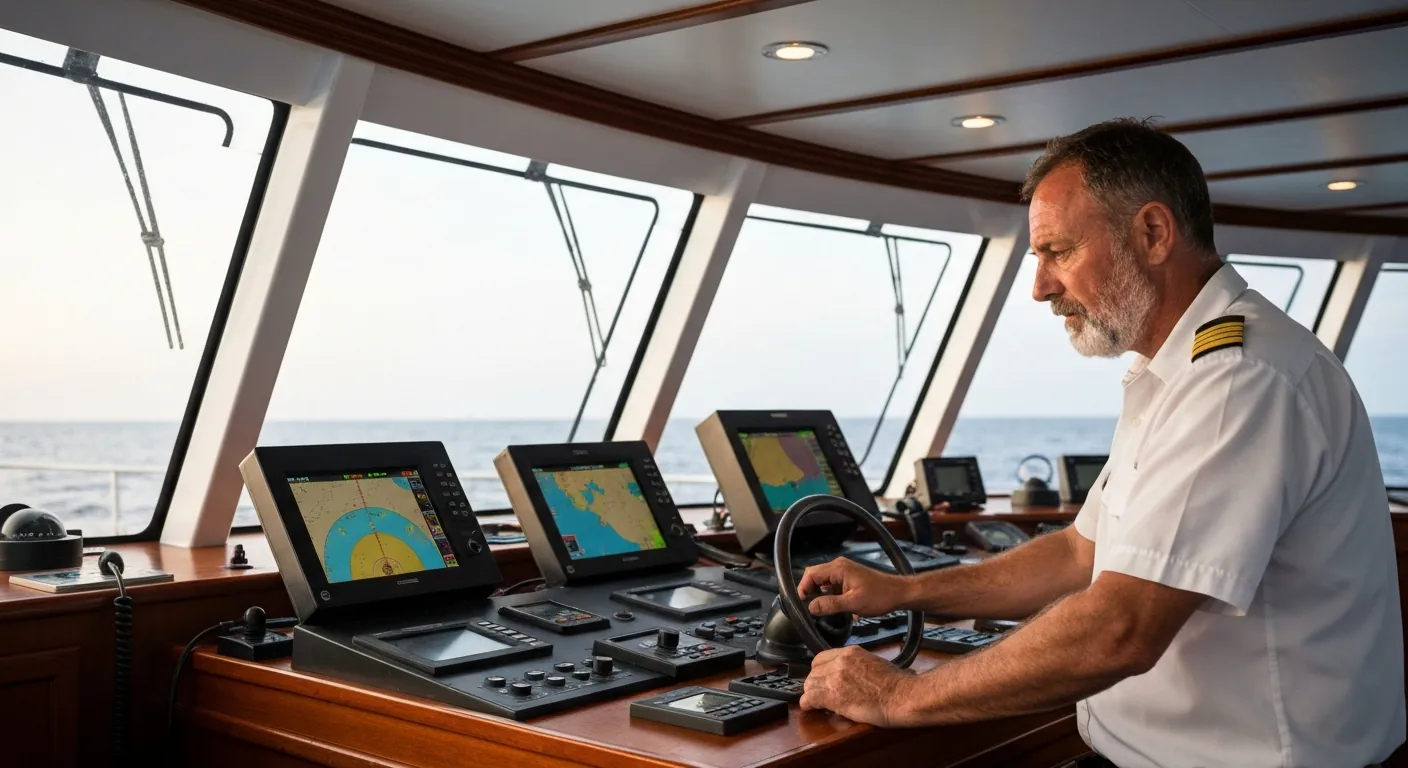
Marine crew, including the captain, engineers, and deckhands, adhere to strict maritime certification requirements. Captains typically possess a Master Class III (Nahkoda III) or higher license, demonstrating extensive experience in Indonesian waters, often with 10+ years of local navigation. Engine room personnel hold valid engineering certificates, ensuring proper maintenance and repair capabilities for critical vessel systems. All marine crew members receive basic safety training under the STCW (Standards of Training, Certification and Watchkeeping) convention, covering fire prevention, personal survival techniques, and elementary first aid.
Onboard Safety Protocols and Essential Equipment
Strict safety protocols and comprehensive equipment are standard on reputable Bali liveaboards. Every vessel conducts a mandatory safety briefing before departure, detailing emergency procedures, life jacket locations, and muster points. Onboard, each liveaboard carries multiple emergency oxygen kits with sufficient capacity for prolonged use, typically 12-liter tanks with demand valves. Comprehensive first aid kits, stocked with medications for various injuries and illnesses, are accessible to trained crew members.
Communication systems include redundant VHF radios and satellite phones, ensuring contact with shore support and emergency services even in remote areas. For instance, many Komodo itineraries operate 200+ kilometers from major medical facilities. Hyperbaric chamber access information, crucial for treating decompression sickness, is always available; the closest major facility for Bali and Komodo liveaboards is Sanglah General Hospital in Denpasar, Bali. Life rafts, sized to accommodate 150% of the vessel’s maximum capacity, are regularly inspected and serviced, often on a six-month cycle.
Emergency Preparedness and Regular Training Drills
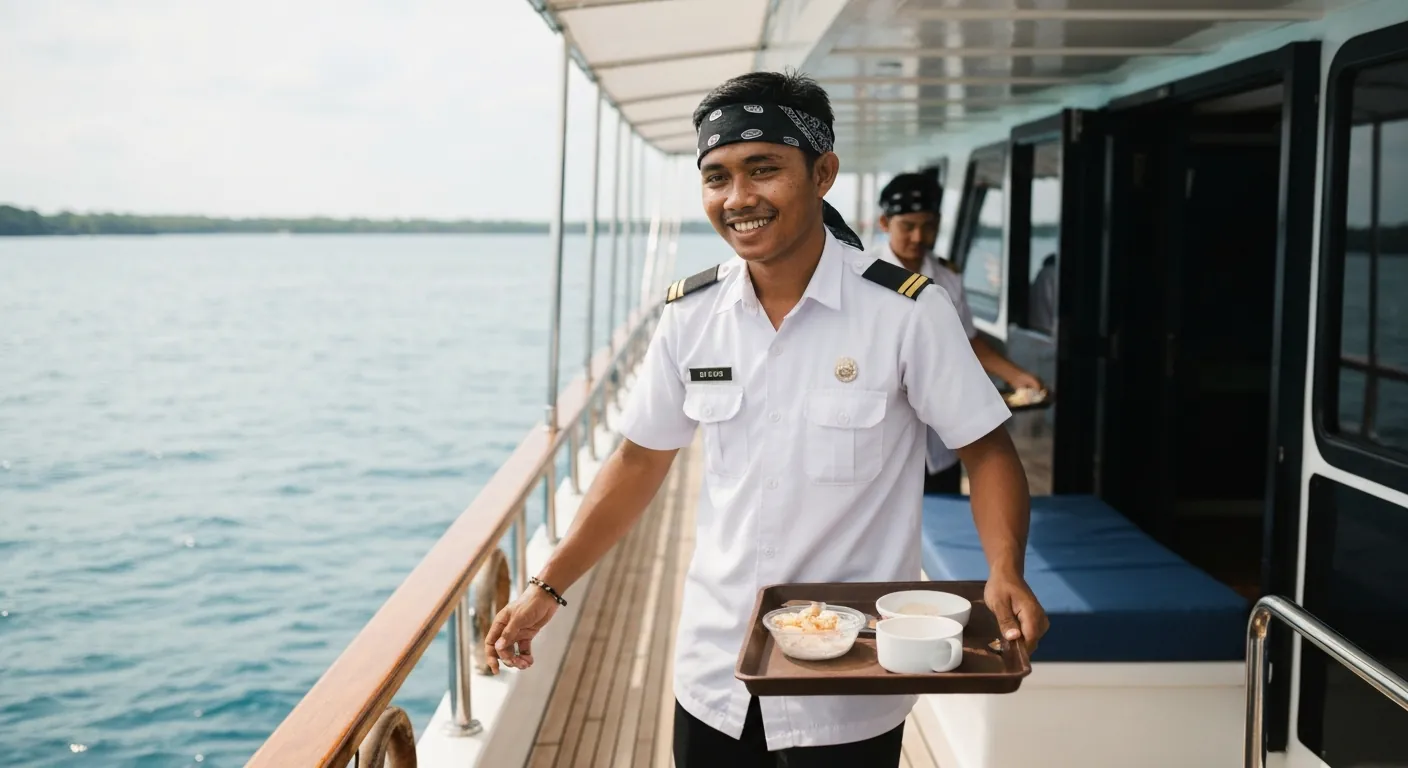
Liveaboard crews undergo rigorous and regular training to maintain a high state of emergency preparedness. These drills are conducted monthly, simulating various scenarios such as fire on board, man overboard, and abandon ship procedures. Each crew member has a clearly defined role in an emergency, from operating fire hoses to launching life rafts and administering first aid. These exercises ensure rapid and coordinated responses under pressure, crucial for safety in remote diving locations.
Emergency Action Plans (EAPs) are developed for each itinerary, outlining specific procedures for medical evacuations, severe weather, or equipment failure. These plans include pre-identified rendezvous points with land-based medical teams or larger support vessels. Dive guides practice emergency ascent procedures and lost diver protocols during every trip, reinforcing their readiness to manage unexpected situations underwater. This proactive approach minimizes risks and enhances overall operational safety.
Vessel Maintenance, Inspections, and Quality Control
Rigorous vessel maintenance and scheduled inspections are fundamental to liveaboard safety and operational reliability. Most liveaboards undergo annual dry-docking for comprehensive hull inspection, engine overhaul, and system upgrades. This process includes repainting, antifouling, and checking propeller and rudder integrity. For example, a typical dry-docking period for a 30-meter phinisi can last 3-4 weeks, involving a team of 10-15 skilled technicians.
Beyond annual overhauls, daily and weekly checks are performed on critical systems like engines, generators, compressors, and navigation equipment. Dive compressors, which supply air for breathing, are serviced according to manufacturer specifications, often every 200-300 hours of operation, with air quality testing conducted quarterly. These meticulous maintenance schedules ensure all components operate reliably throughout the diving season. Furthermore, many operators conduct internal quality control audits every six months, surpassing basic regulatory requirements.
Guest Responsibilities and Pre-Dive Briefings
Guests play an integral role in maintaining safety standards on a liveaboard, with clear responsibilities outlined from arrival. Upon boarding, every diver receives a comprehensive orientation covering boat rules, emergency procedures, and communication protocols. Before each dive, a detailed briefing is conducted by a certified dive guide, explaining the dive site’s topography, potential currents, marine life expectations, and specific safety points like maximum depth and bottom time. These briefings typically last 10-15 minutes.
Divers are responsible for checking their own equipment, ensuring proper function of regulators, BCDs, and gauges. They must also confirm their buddy system arrangements and understand the dive plan. For divers considering advanced itineraries, understanding advanced open water requirements is essential, as certain dives demand specific certifications and experience. Open communication with dive guides about comfort levels and any concerns is strongly encouraged. Guests are also required to carry appropriate dive insurance coverage, such as DAN, which offers crucial support in case of an incident.
Key Safety Features on a Reputable Bali Liveaboard
Choosing a liveaboard with robust safety features is paramount for a worry-free diving experience. Here are essential elements to look for:
- Experienced Captain and Crew: The captain should possess a Master Class III license or higher, with extensive local navigation experience, often exceeding 10 years.
- Comprehensive First Aid and Oxygen Kits: Accessible, well-stocked medical supplies with sufficient oxygen for extended use are mandatory.
- Redundant Communication Systems: Functional VHF radios and satellite phones ensure constant contact with shore and emergency services.
- Adequate Life Rafts and Life Jackets: Life rafts should exceed 150% of guest capacity, and life jackets must be readily available for all on board.
- Advanced Fire Suppression Systems: Vessels need multiple fire extinguishers, smoke detectors, and sometimes fixed fire suppression systems in engine rooms.
- Valid Vessel Seaworthiness Certificates: These government-issued documents confirm the boat meets all national safety standards and undergoes regular inspections.
- Detailed Emergency Action Plans (EAPs): A clear, rehearsed plan for various emergencies, including medical evacuation and severe weather, is vital.
- Hyperbaric Chamber Information: Crew must know the location and contact details for the nearest hyperbaric chamber, such as Sanglah Hospital in Denpasar.
- Regular Maintenance Logs: Transparency regarding engine servicing, compressor checks, and overall vessel upkeep indicates a commitment to safety.
The commitment to rigorous crew standards and safety protocols ensures that Bali liveaboard diving remains a secure and rewarding experience. From the detailed certifications of dive professionals and marine crew to the meticulous maintenance of vessels and comprehensive emergency preparedness, every aspect focuses on guest well-being. These operational standards allow divers to confidently explore the diverse marine environments of Indonesia, whether on a 7-day Komodo expedition or a shorter local trip. Prioritizing safety allows for an undisturbed focus on the incredible underwater world.
Discover available liveaboard options that meet these stringent safety requirements. Explore our extensive range of itineraries and contact our specialists to plan your next secure diving adventure.