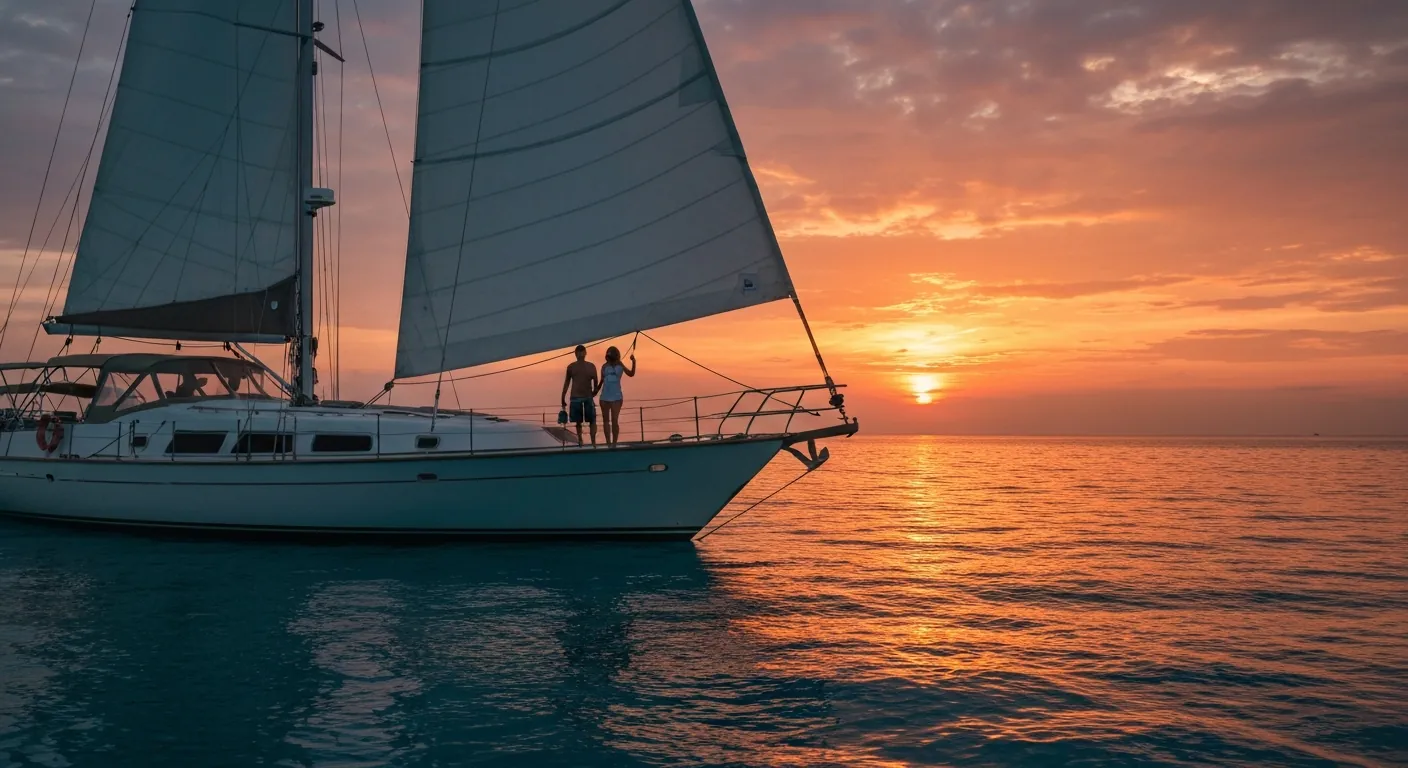
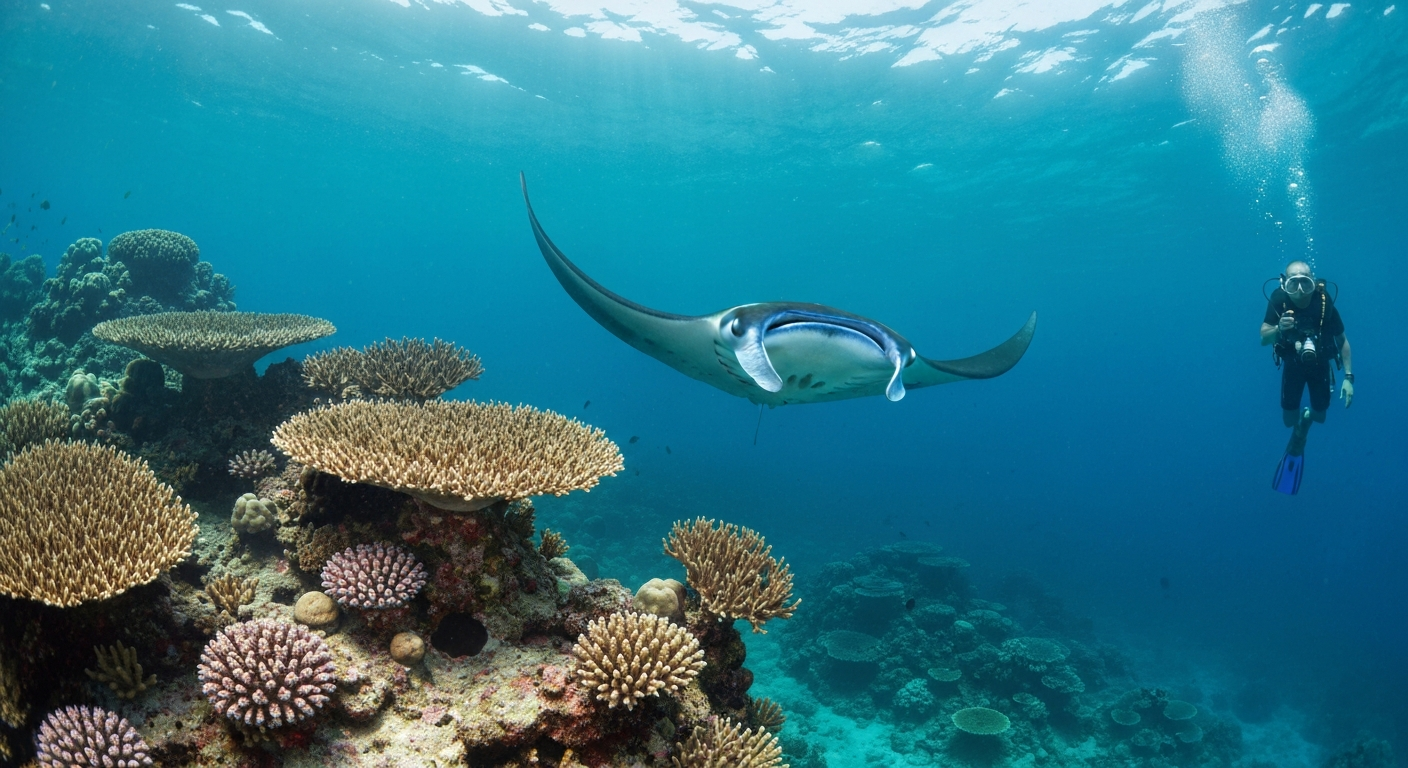
Choosing the right diving experience in Indonesia involves understanding the fundamental differences between Bali liveaboard diving and daily dive trips. Bali, a global diving hub, offers access to diverse marine ecosystems, from the rich reefs of Nusa Penida to the remote wonders of Komodo National Park. Daily dive excursions typically focus on sites within a few hours’ boat ride, such as Menjangan Island or the Gili Islands, allowing divers to return to shore accommodation each evening. In contrast, a liveaboard vessel acts as a mobile hotel, transporting divers to multiple sites, often including distant locations like Alor or Raja Ampat, over several days or even weeks. For instance, a 7-day Komodo liveaboard itinerary commonly covers 20-24 dives, whereas day trips from Bali typically offer 2-3 dives per day. According to Indonesia.travel, Bali’s waters consistently maintain temperatures between 26-29°C year-round, making it a prime diving destination.
Scope and Access: Reaching Remote Dive Sites
Liveaboard diving significantly expands the accessible dive territory compared to day trips. Day trips from Bali generally target sites like Nusa Penida for manta rays and mola mola, or Padangbai for macro life, requiring daily travel from a land base. These trips are limited by the time constraints of returning to port each evening. A prime example is the journey from Bali to Komodo National Park, a UNESCO World Heritage site, which is only feasible via a multi-day liveaboard. A typical 7-day Bali-Komodo liveaboard itinerary allows divers to explore the park’s central, north, and south regions, encountering diverse species from reef sharks to dugongs.
Distant destinations such as Alor and Raja Ampat are exclusively accessible via liveaboards, often requiring 10+ night expeditions. These remote areas offer pristine coral reefs and encounters with large pelagic species, which remain untouched by daily tourist traffic. Day trips from Bali, while convenient for local sites, cannot replicate the reach or immersion of a liveaboard operation. These longer itineraries often attract seasoned divers, including those from Germany and the United States, seeking unique experiences.
Diving Frequency and Immersion: Maximizing Underwater Time
Liveaboards offer a higher frequency of dives per day, maximizing underwater time. Most liveaboard operators schedule 3-4 dives daily, including twilight or night dives, for durations of 6-8 nights. This continuous immersion allows divers to experience different sites and conditions without daily travel logistics. Day trips, by contrast, typically involve 2-3 dives before returning to shore, limiting overall dive time and the opportunity for night diving.
This continuous diving schedule on a liveaboard fosters a deeper connection with the marine environment and improves dive skills. Divers become accustomed to the boat’s routine and specific dive conditions, which can be particularly beneficial for underwater photographers or those aiming to log significant bottom time. Solo travelers, who make up 20-30% of liveaboard guests, often appreciate the consistent social interaction and shared experiences that arise from daily group dives. This intensive diving schedule also means fewer surface intervals spent traveling, dedicating more time to exploration.
Cost Comparison: Liveaboards vs. Day Trips
The financial commitment for Bali liveaboard diving differs significantly from day trips, reflecting the included services. Entry-level Bali-only mini-liveaboards for 3-4 nights can range from USD 900–1,400 per person, appealing to backpackers and early-career professionals. Mid-range options, such as 6-8 night Bali-Komodo or Bali-Alor trips, typically cost USD 1,800–3,500, catering to dual-income professionals with 100+ logged dives. Luxury liveaboards, offering 8-12 nights on high-end phinisis with ensuite cabins and a dedicated chef, can exceed USD 3,800–7,500 per person.
These liveaboard prices usually include accommodation, all meals, multiple daily dives, tanks, weights, and often transfers to and from the vessel. However, divers should factor in additional costs such as national park fees (e.g., USD 150-250 for Komodo National Park), nitrox fills (if not included), gear rental, and crew tips. Day trips, while appearing less expensive upfront (e.g., USD 80-150 per day for 2-3 dives), require separate budgeting for land accommodation, meals, and daily transfers to the dive boat. Over a week, the cumulative cost of day trips plus land expenses can approach or even exceed a mid-range liveaboard, particularly for those seeking frequent diving.
Comfort and Logistics: Life Onboard vs. Daily Transfers
Liveaboard diving consolidates accommodation, dining, and diving logistics into one seamless experience. Divers unpack once and wake up at the dive site each morning, eliminating daily commutes and the need to transport heavy gear. This convenience is a major draw for couples (40-50% of buyers) and friend groups (20-30%) who prioritize uninterrupted relaxation and diving. Vessels range from budget-friendly options with shared cabins to luxury phinisis offering private ensuite facilities and gourmet dining.
Day trips, conversely, necessitate daily transfers from land accommodation to the dive center and then to the boat. This involves packing and unpacking gear each day, along with travel time that can cut into surface intervals or sightseeing. While some prefer the flexibility of returning to a resort, others find the daily routine disruptive to their diving focus. Solo travelers, comprising 20-30% of liveaboard bookings, often find cabin-share options on liveaboards a cost-effective and social way to travel, avoiding single supplements that can inflate costs. For those interested in specific vessel amenities or cabin configurations, visit our About section.
Key Considerations When Choosing Your Bali Dive Adventure
Deciding between a liveaboard and day trips requires evaluating several factors based on individual preferences and diving goals. Each option presents distinct advantages in terms of experience, logistics, and cost. Consider these points before making your booking:
- **Itinerary & Dive Sites:** Liveaboards access remote sites like Komodo and Alor, while day trips focus on local Bali areas (Nusa Penida, Menjangan).
- **Diving Frequency:** Liveaboards typically offer 3-4 dives daily; day trips offer 2-3 dives.
- **Accommodation:** Liveaboards provide onboard lodging; day trips require separate land accommodation.
- **Budget:** Entry-level liveaboards start around USD 900 for 3 nights; day trips range USD 80-150 per day (excluding land costs).
- **Travel Convenience:** Liveaboards eliminate daily transfers; day trips involve daily commutes.
- **Group Composition:** Liveaboards cater well to solo travelers (cabin share), couples, and dive groups; day trips suit those preferring land-based activities.
- **Certification Requirements:** Some advanced liveaboard itineraries (e.g., Komodo’s strong currents) require Advanced Open Water certification.
- **Safety Protocols:** Both options adhere to safety standards, but liveaboards often have dedicated dive guides (e.g., 4:1 diver-to-guide ratio) and emergency protocols for remote areas.
- **Specific Interests:** Underwater photographers often prefer liveaboards for multiple dives and consistent conditions.
Target Diver Profile: Who Benefits Most?
The ideal choice between liveaboard and day trips often aligns with a diver’s experience level, budget, and travel style. Mid-range liveaboards (USD 1,800–3,500 for 6-8 nights) attract 30s-50s dual-income professionals, often with 100+ dives logged, seeking immersive experiences. These divers prioritize comprehensive itineraries and high-quality diving. Solo travelers (20-30% of bookings) find liveaboards appealing for the social aspect and cabin-share opportunities, provided safety and reliable emergency protocols are in place. Information on hyperbaric chamber access in Bali is crucial for these remote operations.
Families (5-10% of bookings) might opt for liveaboards that offer snorkeling options or cater to non-diving partners and teens, ensuring activities for everyone. For divers focused on specific local marine life or those with limited time, day trips from Bali are effective. However, for those seeking to maximize their dive time, explore remote sites like Komodo National Park, and enjoy a consolidated travel experience, liveaboard diving remains the superior option. Transparent pricing, including park fees and nitrox, is a key decision factor for all buyer profiles. Review our pricing page for detailed inclusions.
Ultimately, the decision between Bali liveaboard diving and day trips depends on your priorities for your 2026 dive vacation. If extensive diving, access to remote, biologically diverse sites like Komodo National Park, and an all-encompassing experience appeal to you, a liveaboard offers value. For those with less time or a preference for land-based activities alongside diving, day trips are a suitable alternative. Consider your budget, desired dive sites, and comfort with continuous onboard living. Evaluate your certification level and specific interests, such as underwater photography or encountering specific pelagic species like mola mola, which are seasonally prevalent in certain areas around Bali (June-October). For personalized recommendations or to check June 2026 availability, please contact us directly.