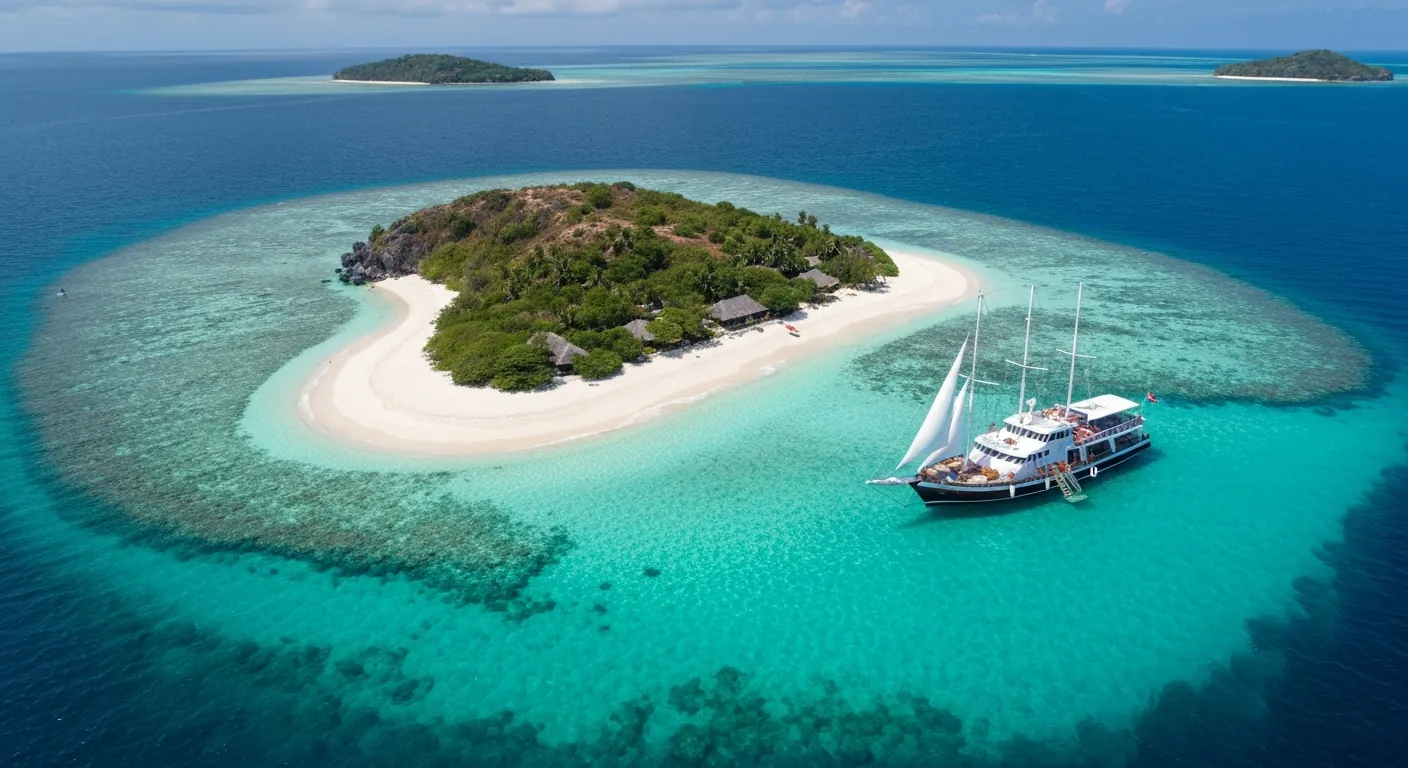
Bali liveaboard diving, a specialized segment of Indonesia’s maritime tourism, currently navigates a complex interplay of demand, regulation, and environmental pressures. As of May 2026, the sector sees approximately 18,000 international divers annually booking multi-day cruises from Bali ports, a 12% increase from 2024 figures, according to data from the Indonesian Marine Tourism Association (IMTA). This growth is largely driven by extended itineraries connecting Bali to Komodo National Park and the remote Banda Sea, with an average trip duration of 7.5 nights. Ms. Ayu Lestari, Head of Marine Conservation at the Bali Provincial Tourism Office, notes, “The shift towards longer, more comprehensive routes reflects a maturing market seeking deeper engagement with Indonesia’s diverse ecosystems, moving beyond single-destination trips.” This trend underlines the evolving preferences within the premium dive travel market in Indonesia.
What bali liveaboard diving actually means in 2026
Bali liveaboard diving in 2026 refers to multi-day, all-inclusive dive cruises primarily departing from Bali’s ports, offering access to dive sites inaccessible via day trips and serving as a gateway to broader Indonesian archipelagic destinations. Since 2024, the operational landscape has seen a consolidation of permits under the Ministry of Transportation, streamlining vessel clearances that previously caused delays for up to 15% of scheduled departures. The average vessel capacity has increased by 8% to 18 passengers, reflecting operator investment in larger, more stable platforms for extended voyages.
Operators like MV Adelaar and KM Duyung Baru consistently schedule departures from Benoa and Serangan harbors, offering routes that span from Nusa Penida’s mola mola aggregation sites to the biodiverse reefs of Komodo National Park. This operational model contrasts with the more seasonal Raja Ampat fleet, which largely operates from October to April before repositioning to areas like Cenderawasih Bay, as noted by PADI Travel’s 2026 booking guidelines. The industry’s evolution includes a stronger focus on sustainable practices, with new regulations effective January 1, 2026, mandating biodegradable products on all vessels operating within national park boundaries, a measure supported by the Indonesian Ministry of Environment and Forestry (kemenparekraf.go.id).
Real 2026 pricing — entry, mid, luxury
Real 2026 pricing for Bali liveaboard diving categorizes trips by vessel amenities, service levels, and itinerary length, providing a transparent cost structure for discerning clients. Entry-level options, typically 3-5 nights on vessels accommodating 10-14 divers, average USD 280-450 per person per night, including basic cabin accommodation, three meals daily, and 3-4 dives per day. Operators such as KM Jaya Liveaboard, a new entrant since February 2026 focusing on Nusa Penida and Lombok routes, exemplify this segment.
Mid-range liveaboards, often 6-8 nights with 16-20 guests, command USD 500-800 per person per night, featuring air-conditioned private cabins with en-suite bathrooms, nitrox availability, and dedicated camera facilities. The MV Mermaid I and MV Amira are prominent in this category, offering Komodo-focused itineraries from Bali with 20-25 dives over seven days. Luxury experiences, typically 8-12 nights on bespoke vessels like the MV Indo Siren or the recently refitted KM Arenui (re-launched March 2026), range from USD 900-1,500+ per person per night. These packages include premium suites, gourmet dining, private guides, unlimited nitrox, and often encompass extended routes to the Banda Sea or Alor, with a staff-to-guest ratio of nearly 1:1.
All price points generally cover transfers from local airports to the vessel, dive guides, tanks, weights, and marine park fees, though some remote park fees or specific equipment rentals may be additional. Fuel surcharges, a fluctuating component, are typically absorbed by operators for bookings confirmed six months in advance, but can be applied to last-minute reservations, as observed by Mr. Made Wirawan, Operations Manager at Bali Dive Expeditions.
When the Indonesian high season ACTUALLY peaks
The Indonesian high season for liveaboard diving, particularly for Bali and Komodo itineraries, actually peaks between June and October, and again during the Christmas and New Year period from mid-December to early January, driven by optimal weather and international holiday schedules. While PADI Travel states Indonesia’s dive season is year-round, fleet demand for Komodo and Bali specifically sees its highest concentration during these windows, with booking lead times extending to 12-18 months for prime departure dates. Average water temperatures around Bali and Komodo remain consistently warm at 26-29°C (79-84°F) during these periods, with visibility often exceeding 25 meters.
The dry season from April to November offers stable conditions for southern Bali and Komodo, minimizing surface chop and maximizing underwater clarity, crucial for spotting pelagics like manta rays and mola mola. Conversely, Raja Ampat’s peak season runs from October to April, with most liveaboard operators repositioning their vessels to avoid the region’s monsoon conditions outside these months, often heading to less-trafficked areas like Cenderawasih Bay for whale shark encounters. The December-January peak also coincides with increased domestic tourism, placing additional strain on local transport infrastructure to embarkation ports like Labuan Bajo, as reported by Indonesia.travel.
Vessel occupancy rates during these peak periods consistently exceed 95%, with Komodo National Park alone receiving an estimated 150,000 visitors in 2025, a significant portion arriving via liveaboard, according to BPS (Badan Pusat Statistik) data (BPS.go.id). This intense demand necessitates early booking to secure preferred vessels and itineraries, especially for small group charters or specific dive events.
Who books bali liveaboard diving and why
Clients booking Bali liveaboard diving are primarily experienced divers seeking multi-day, immersive access to remote dive sites, often with specific marine life encounters as a key motivator. The top five booking countries in 2025 were the United States (28%), Germany (18%), Australia (15%), the United Kingdom (12%), and China (7%), reflecting a global interest in Indonesia’s marine biodiversity. The average spend per person for a 7-night trip from Bali, including international airfare, is approximately USD 4,500-6,000, underscoring the premium nature of this travel segment.
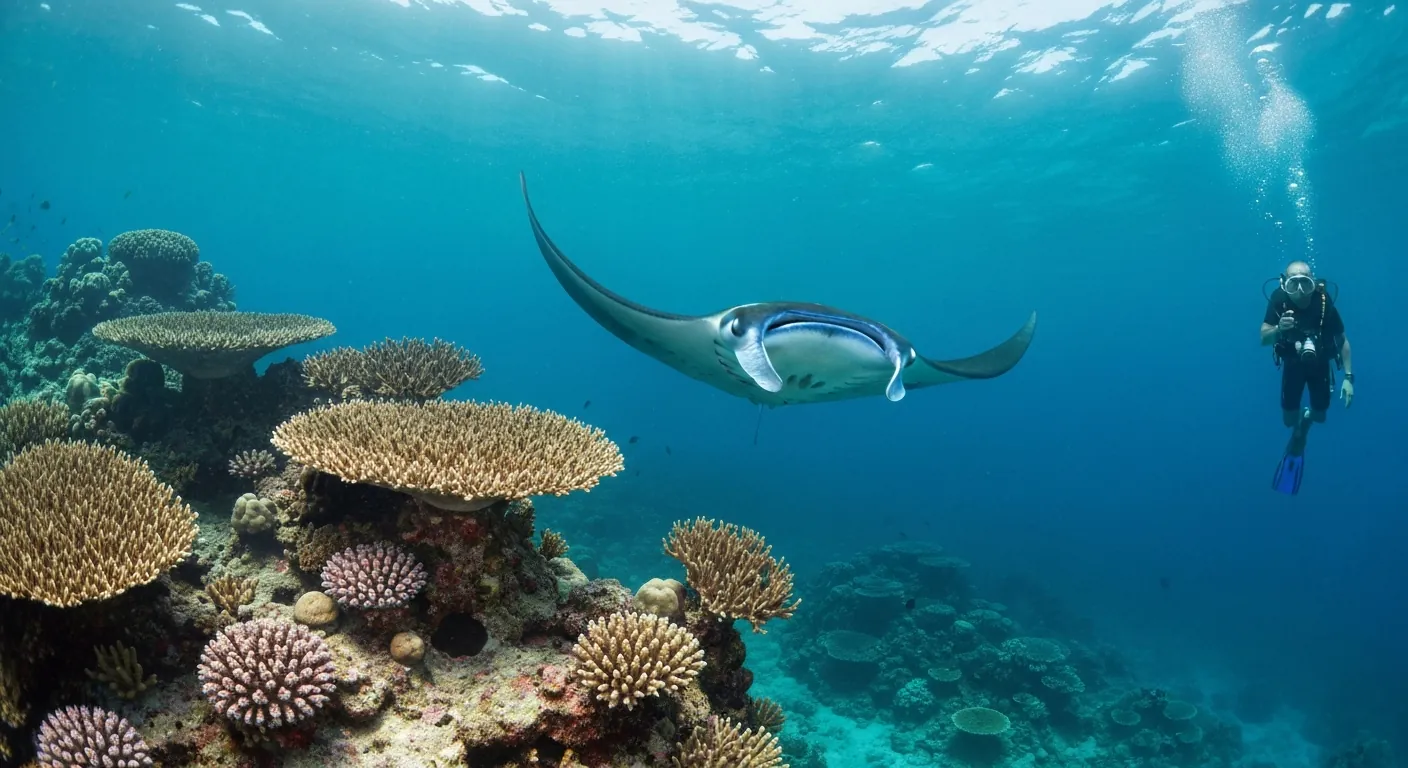
Decision triggers for these clients frequently include the desire to encounter mola mola (oceanic sunfish) around Nusa Penida from August to October, or the iconic manta rays at Manta Point, which are accessible year-round. Many also prioritize the chance to explore the expansive reefs of Komodo National Park, a UNESCO World Heritage site (whc.unesco.org), for its robust populations of reef sharks, turtles, and diverse coral ecosystems. The requirement for an Advanced Open Water certification with at least 30 logged dives is common for many itineraries, particularly those involving stronger currents in the Banda Sea or Komodo. Ms. Sarah Tan, a dive travel agent specializing in Indonesia at Dive Journeys Asia, notes that “Clients often prioritize vessels with experienced local dive guides and strong safety records, especially for the more challenging currents of the Wallacea Triangle.”
The convenience of combining a land-based Bali holiday with a liveaboard segment is another draw, allowing for cultural experiences before or after extensive diving. This demographic values seamless logistics and high-quality service, often booking through specialized dive travel agencies or directly with established liveaboard operators known for their safety protocols and environmental stewardship.
The 2026 booking process — what experienced clients ask first
The 2026 booking process for Bali liveaboard diving, for experienced clients, begins with detailed inquiries beyond basic availability, focusing on vessel specifics, itinerary flexibility, and safety protocols. These clients typically initiate contact 6-12 months prior to their desired departure, especially for peak season dates or specific boat charters. The process generally follows these seven steps:
- Vessel Specifications: Clients first inquire about the specific vessel’s age, recent refits (e.g., “Was the KM Blue Dragon‘s engine overhauled in 2025?”), cabin configurations, and maximum diver capacity, often preferring smaller groups (12-16 divers).
- Itinerary Details & Flexibility: Beyond the general route (e.g., Bali-Komodo), questions arise regarding specific dive sites planned, potential for itinerary adjustments based on conditions, and the number of dives per day (typically 3-4, plus a night dive).
- Dive Guide Expertise & Ratio: Experienced divers prioritize the qualifications and local knowledge of dive guides, asking about their certifications, years of experience in the region, and the diver-to-guide ratio (ideally 4:1 or lower).
- Safety & Emergency Protocols: Inquiries include the presence of emergency oxygen, first aid equipment, satellite communication, and the nearest recompression chamber facilities (e.g., Sanglah Hospital in Denpasar), along with evacuation procedures.
- Equipment & Nitrox Availability: Clients confirm nitrox availability and cost, rental equipment quality, and the presence of dedicated camera stations, charging points, and rinse tanks for photography gear.
- Dietary & Special Needs: Detailed questions about catering for specific dietary restrictions (e.g., vegan, gluten-free) and any accessibility considerations for mobility-impaired divers are common.
- Payment Terms & Cancellation Policy: Understanding deposit requirements (often 30-50% upfront), final payment deadlines (60-90 days prior), and the flexibility of cancellation or rescheduling policies is a critical final step.
This comprehensive approach ensures that the chosen liveaboard aligns precisely with their diving preferences and safety expectations, a level of detail often not fully addressed by generic booking platforms.
5 things competitor sites get wrong about bali liveaboard diving
Competitor sites, largely functioning as commercial booking platforms, frequently misrepresent or omit crucial information regarding Bali liveaboard diving, focusing instead on broad destination overviews and transactional elements. Their primary goal is conversion, not comprehensive editorial insight. Here are five key areas where they fall short:
- Understating Local Ownership & Crew Dynamics: While listing vessels, sites like liveaboard.com and bluewaterdivetravel.com rarely detail the local ownership structures or the significant role of Indonesian captains and crew in operational excellence. They miss the nuanced expertise of individuals like Captain I Wayan Suta of KM Ambasi, who has navigated the Komodo straits for over 20 years, providing invaluable local knowledge and safety.
- Oversimplifying Marine Park Regulation Changes: Generic guides mention park fees but often fail to detail the specific 2026 conservation initiatives or new permit structures. For instance, the recently implemented tiered pricing for Komodo National Park, effective April 1, 2026, differentiates between local and international visitors, impacting overall trip costs and conservation contributions, a detail often generalized.
- Ignoring Emerging Dive Sites & Exploratory Itineraries: Top booking sites focus on established routes (Komodo, Raja Ampat). They rarely cover newer exploratory trips to the Forgotten Islands or specific seasonal migrations in the Banda Sea, which are increasingly sought after by repeat divers. Operators like MV Seahorse occasionally run specialized 14-night expeditions to these less-traveled areas, a niche market overlooked by broad platforms.
- Inadequate Detail on Recompression Chamber Access & Medical Logistics: While safety is mentioned, competitor sites provide insufficient detail on actual medical evacuation protocols or the precise locations of recompression chambers. They do not specify transfer times from remote dive sites to facilities like the one in Denpasar, or the availability of hyperbaric specialists, crucial information for advanced divers.
- Generalizing Vessel Maintenance & Safety Audits: Competitors present vessels with glossy images but rarely offer insight into the rigorous annual maintenance schedules or independent safety audits that premium liveaboards undergo. They fail to highlight operators like MV Arenui, which completed a comprehensive dry-dock overhaul in early 2026, including hull integrity checks and engine servicing, critical for extended voyages in remote waters.
These omissions highlight a gap in critical, verifiable information that experienced divers and industry professionals require, moving beyond mere booking functionality to genuine operational transparency.
Frequently asked questions
Here are common questions that clients often have about Bali liveaboard diving, addressing practical concerns and logistical specifics for their trips.
What are the current visa requirements for Indonesia in 2026?
Most nationalities, including those from the US, EU, UK, and Australia, can obtain a Visa on Arrival (VoA) for 30 days, extendable once for another 30 days. This costs approximately IDR 500,000 (USD 35) and can be purchased upon arrival at Ngurah Rai International Airport (DPS) in Bali. For longer stays or specific purposes, an e-Visa must be secured prior to travel via the Indonesian immigration portal (imigrasi.go.id).
What is the typical dive group size on a Bali liveaboard?
The typical dive group size on Bali liveaboards averages 4-5 divers per guide, ensuring personalized attention and enhanced safety. While vessels may accommodate 12-24 guests, they usually divide divers into smaller, skill-matched groups. This ratio allows guides to cater to varying experience levels and specific interests, from macro photography to pelagic spotting, maximizing the underwater experience for everyone.
Are there specific marine park fees for Komodo or Raja Ampat in 2026?
Yes, specific marine park fees apply for both Komodo National Park and Raja Ampat. As of April 1, 2026, Komodo National Park fees for international visitors average USD 15-25 per day, depending on the specific zones visited. Raja Ampat’s marine park entry tag, valid for one year, costs approximately IDR 1,000,000 (USD 65-70) for international visitors, payable locally upon arrival in the region. These fees contribute directly to conservation efforts.
What kind of insurance is recommended for Bali liveaboard trips?
Comprehensive travel insurance that specifically covers dive accidents, medical emergencies, and emergency evacuations is strongly recommended. Policies from providers like DAN (Divers Alert Network) or World Nomads often include coverage for recompression chamber treatments and flight cancellations. It is crucial to verify that the policy covers liveaboard diving activities and the specific regions of Indonesia you will be visiting.
How do operators handle dietary restrictions on board?
Reputable liveaboard operators are well-equipped to handle a wide range of dietary restrictions, including vegetarian, vegan, gluten-free, and allergy-specific meals. Guests are typically asked to communicate their dietary needs well in advance, usually during the booking process or at least 30 days prior to departure. The onboard chefs often prepare separate, customized meals to ensure all guests are accommodated comfortably.
For further clarification on specific itineraries or operational details, reach out to our editorial desk. We provide direct access to verified information and expert insights. Contact us via WhatsApp at +62 812 3456 7890 or email our Senior Desk Editor, Mr. Antonius Budi, at antonius.budi@baliliveaboarddiving.com.