The choice between a Bali liveaboard diving experience and a land-based resort stay significantly shapes a diver’s interaction with Indonesia’s underwater landscapes. Liveaboards provide access to remote dive sites across the vast Indonesian archipelago, which comprises over 17,500 islands https://www.indonesia.travel/gb/en/home. Unlike day trips from a resort, a liveaboard vessel acts as a floating hotel, moving divers directly between dive locations. This allows for a higher dive frequency, typically 3-4 dives per day, compared to the 2-3 dives often offered by resort-based operations. For 2026, mid-range Bali liveaboard options average USD 300-450 per person per night, focusing on comprehensive dive access.
Access to Dive Sites: Scope and Efficiency
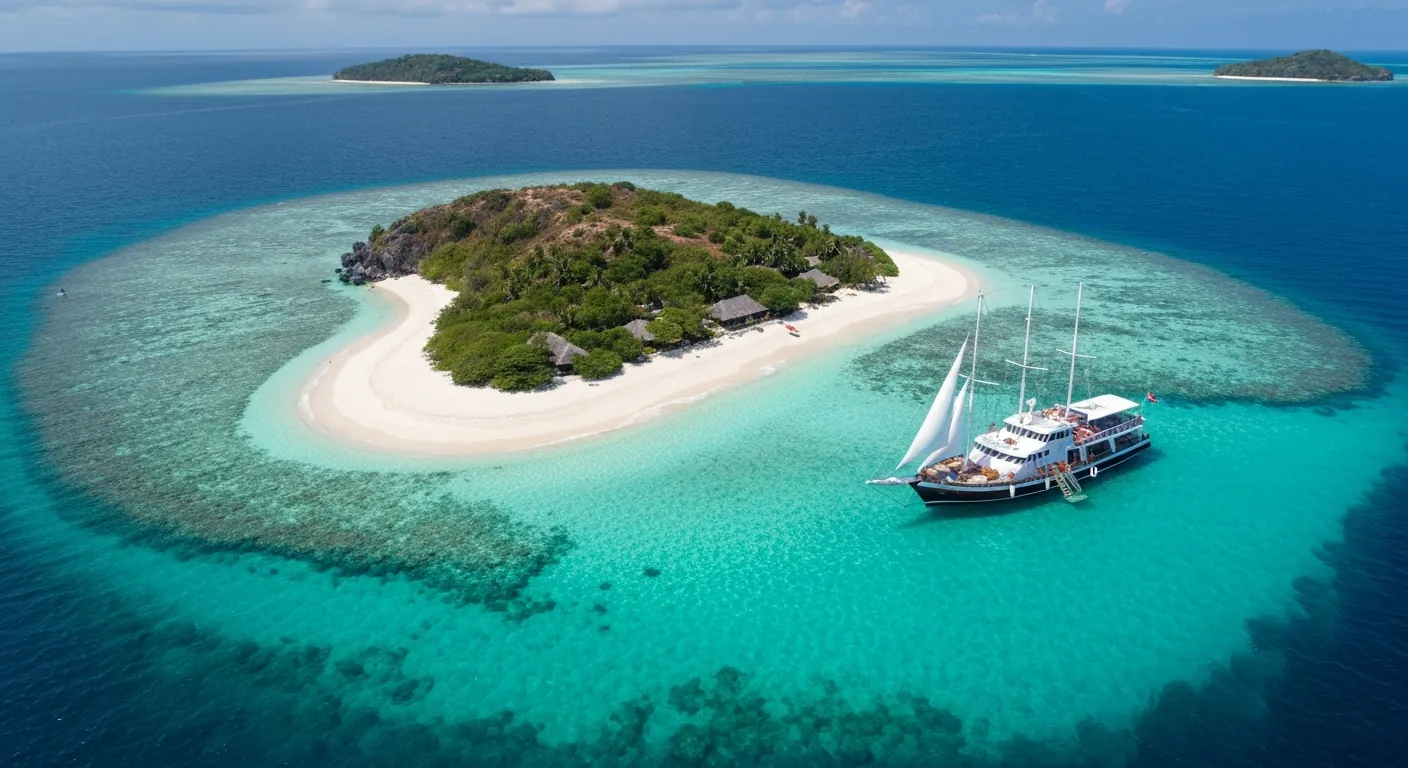
Liveaboard diving in Bali and surrounding regions offers direct access to a wider array of dive sites, many of which are unreachable by daily resort boats. Vessels can travel substantial distances overnight, positioning divers at prime locations like Komodo National Park, a UNESCO World Heritage Site since 1991 https://whc.unesco.org/en/list/609/, or the distant Alor archipelago. A typical 7-day Bali-Komodo liveaboard itinerary covers hundreds of nautical miles, allowing exploration of diverse ecosystems.
Land-based resorts, by contrast, operate within a more confined radius, generally limited to sites accessible within a few hours’ round trip. While Bali’s Nusa Penida and Menjangan Island offer exceptional diving, including mantas and sunfish (mola mola) during specific seasons, these are often visited repeatedly from a resort base. Liveaboards extend the diving horizon beyond Bali’s immediate vicinity, optimizing underwater exploration.
Diving Frequency and Focus: Maximizing Underwater Time
Liveaboards prioritize underwater time, structuring the day around multiple dives. Guests typically experience 3-4 dives daily, including night dives, maximizing exposure to marine life. This intensive schedule caters to experienced divers, many with over 100 logged dives, who seek to accumulate significant bottom time during their holiday. Dive briefings occur directly on the vessel, minimizing travel time between sites.
Resort-based diving usually involves 2-3 dives per day, often with a return to shore for lunch. While this offers flexibility for non-diving activities, it reduces the overall number of dives per trip. Divers choosing a liveaboard value the consistent proximity to dive sites and the opportunity for early morning or late-night dives that land operations rarely offer. Mid-range liveaboards often include nitrox, enhancing bottom time for certified divers.
Accommodation and Comfort: Floating Hotels vs. Fixed Bases
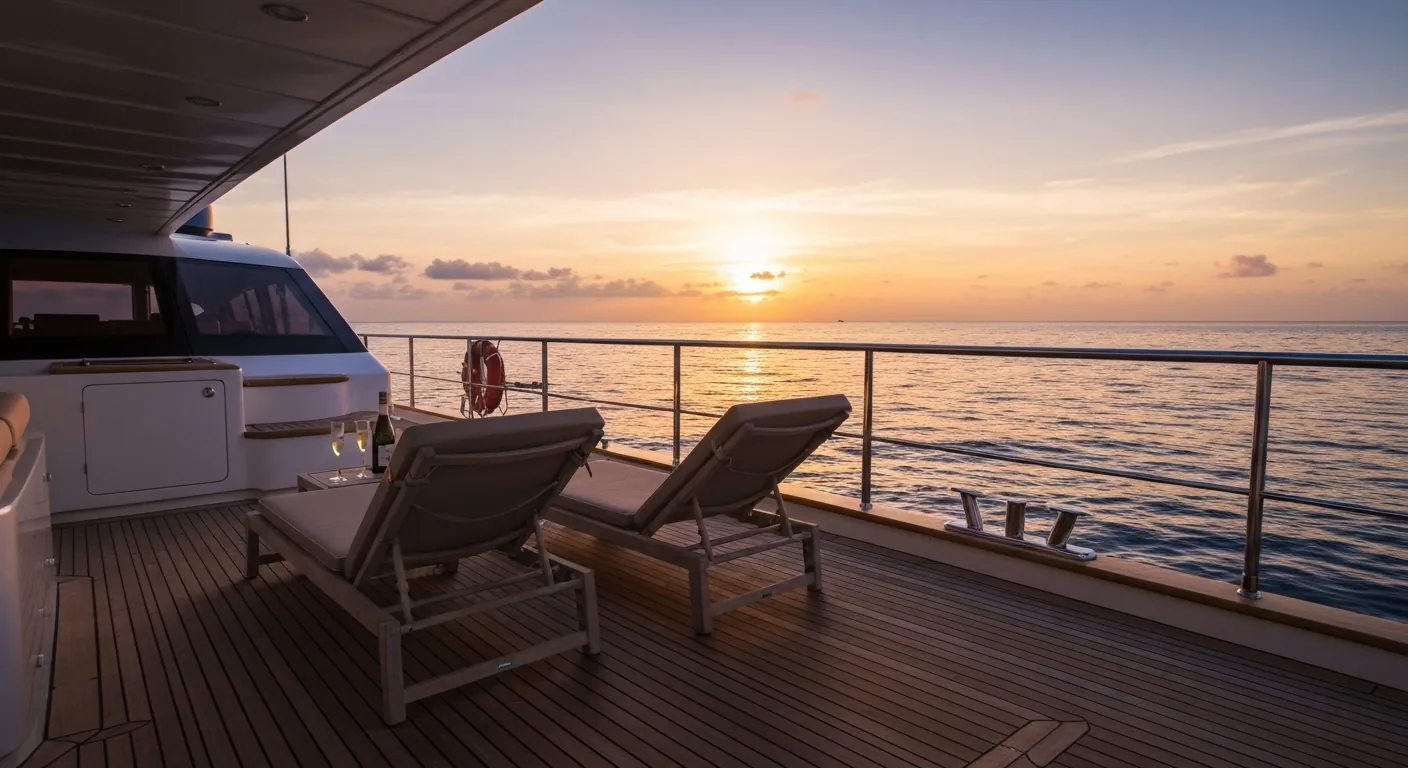
Liveaboard vessels serve as comprehensive floating hotels, providing accommodation, meals, and dive facilities in one package. Modern mid-range phinisis, common in the Bali-Komodo region, feature air-conditioned ensuite cabins and comfortable common areas. Guests unpack once and their “hotel” travels with them to new dive locations daily. This eliminates daily transfers to and from dive centers, saving time and effort.
Resort stays offer a fixed base with amenities like swimming pools, spas, and multiple dining options. Accommodation varies from budget guesthouses to luxury villas, separate from the dive operation. While resorts offer more space and land-based leisure, divers must commute to the dive shop and then to the boat each day. Entry-level Bali mini-liveaboards for 3-4 nights, priced at USD 900-1,400, provide a compact, dive-focused alternative to resort stays.
Logistics and Pricing: All-Inclusive vs. Itemized Costs
Liveaboard pricing often adopts an all-inclusive model, covering accommodation, all meals, multiple dives daily, and sometimes nitrox and transfers. For a 7-10 night Bali-Komodo liveaboard, prices range from USD 280-450 per person per night for mid-range vessels. Transparency is a key decision factor for buyers, who expect clear communication on inclusions like national park fees and port taxes. Budget Bali-Komodo crossings for 6-7 nights are available from USD 1,600-2,100 total.
Resort diving typically itemizes costs: accommodation, meals, and dives are priced separately. Day trips from a resort can cost USD 80-150 per day for 2-3 dives, excluding equipment rental. While this allows for greater flexibility in spending, the cumulative cost can sometimes rival a liveaboard, especially for serious divers booking multiple days of excursions. Buyers appreciate knowing the full cost upfront, which liveaboards often provide.
Social Dynamics and Group Experience
Liveaboards foster a strong sense of community among guests, often limited to 12-16 divers on mid-range vessels. Shared meals, dive briefings, and surface intervals create an environment for bonding, making them popular with solo travelers seeking cabin-share options or friend groups of 3-6 divers. Approximately 20-30% of liveaboard guests are solo divers, valuing the built-in social aspect and shared passion for diving.
Resort stays offer more independence and anonymity. While dive centers may facilitate group dives, interaction outside of the dive boat is less structured. Resorts cater well to families (5-10% of buyers) or couples (40-50% of buyers) who prefer privacy or have non-diving partners seeking diverse land activities. Liveaboards provide a focused, communal experience, while resorts offer broader leisure options.
Safety and Professionalism: Prioritizing Diver Well-being
Safety stands as a paramount consideration for both liveaboard and resort-based dive operations in Bali. Liveaboards maintain dedicated, experienced dive crews and often have a higher guide-to-diver ratio, sometimes as low as 1:4. Emergency protocols are established, including oxygen on board, comprehensive first-aid kits, and direct communication channels. Many operators require divers to have personal dive accident insurance, such as DAN, and provide information on hyperbaric chamber access in Bali.
Resort dive centers also adhere to strict safety standards, with certified instructors and divemasters. Their proximity to land means quicker access to medical facilities in non-critical situations. However, liveaboards are specifically equipped for remote operations, carrying satellite phones and often having dedicated tenders for emergencies or surface support. Buyers consistently rank safety and professionalism as their top decision factor, highlighting the importance of well-maintained vessels and experienced staff.
Key Considerations for Your Bali Diving Trip
Deciding between a liveaboard and a resort in Bali involves weighing several factors specific to your preferences and diving goals. Consider these points before booking:
- Targeted Dive Regions: Liveaboards are essential for reaching remote destinations like Komodo, Raja Ampat, or Alor. Resorts are ideal for exploring specific Bali sites like Nusa Penida, Menjangan, or Tulamben.
- Dive Volume Desired: Liveaboards typically offer 3-4 dives daily, including night dives. Resort day trips generally provide 2-3 dives.
- Budget Allocation: Entry-level Bali mini-liveaboards start around USD 250-350 per person per night. Mid-range options are USD 280-450/night. Resorts offer a broader range of accommodation prices, with day trips extra.
- Social Preference: Liveaboards cultivate a close-knit group atmosphere. Resorts provide more personal space and independent exploration.
- Non-Diving Activities: Resorts excel in offering land-based excursions, cultural tours, and spa services. Liveaboards are primarily dive-focused.
- Certification and Experience: Many liveaboards recommend Advanced Open Water certification and 30+ logged dives due to drift diving and deeper profiles. Resorts often cater to all certification levels with local, calmer sites.
- Logistical Efficiency: Liveaboards eliminate daily transfers to dive boats. Resorts require daily commute to the dive center.
- Best Seasonality: For Komodo liveaboards, the dry season (April-October) is prime. Bali diving is year-round, with specific seasonal highlights like mola mola in July-October.
Conclusion: Tailoring Your Bali Diving Experience
The decision between a Bali liveaboard diving experience and a resort-based dive holiday depends on individual priorities for exploration, dive volume, and social interaction. Liveaboards excel in reaching remote, pristine sites such as those around Komodo or Alor, offering an average of 3-4 dives daily and a focused, communal atmosphere. For 2026, mid-range liveaboards are priced around USD 300-450 per person per night, providing a comprehensive, all-inclusive dive adventure.
Resorts offer flexibility for non-divers, more land activities, and a fixed base for exploring Bali’s cultural attractions alongside 2-3 daily dives from local centers. For serious divers prioritizing extensive underwater exploration and access to Indonesia’s most celebrated dive regions, a liveaboard presents a compelling choice. Evaluate your diving goals and preferences to select the optimal platform for your next Bali diving adventure.
Ready to discover the dive sites of Indonesia? Contact Bali Liveaboard Diving today to explore available itineraries and secure your 2026 liveaboard experience.