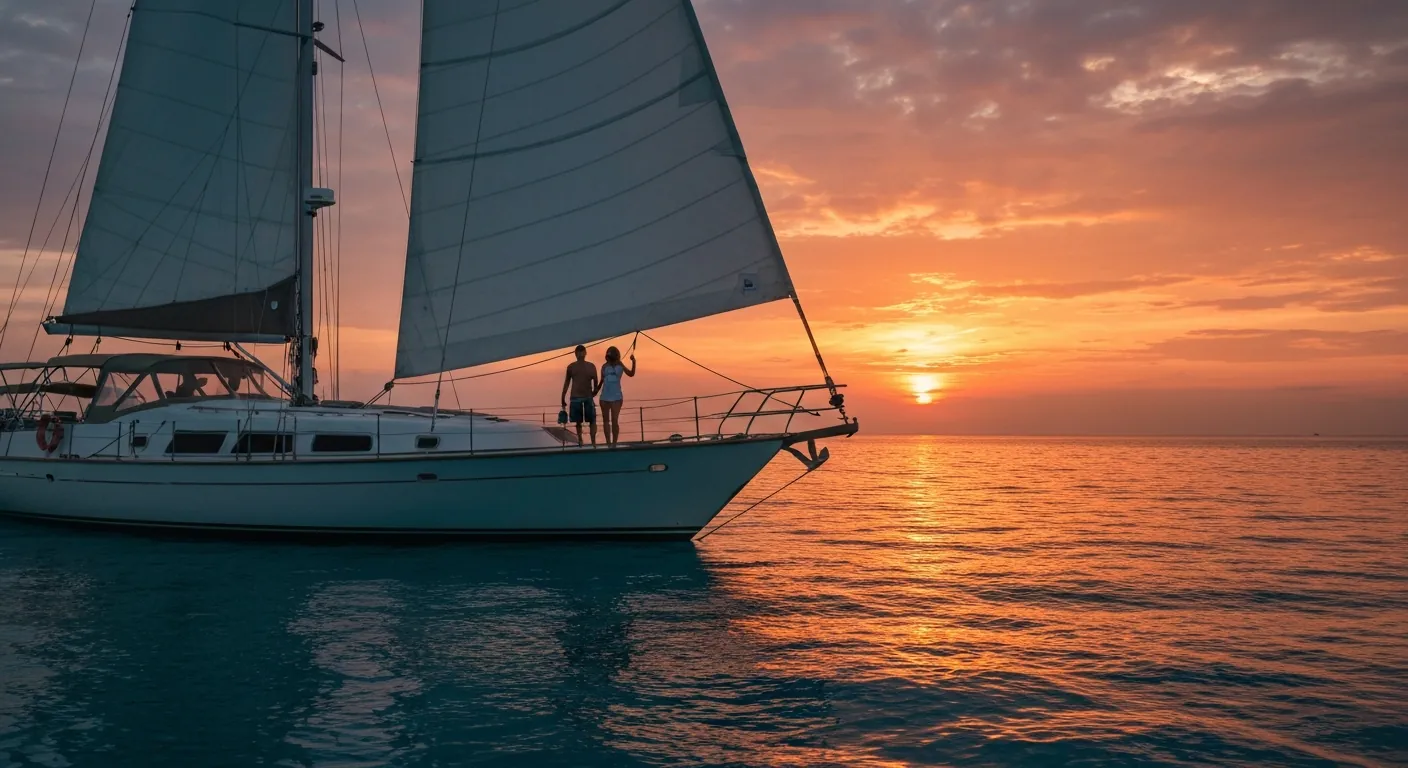
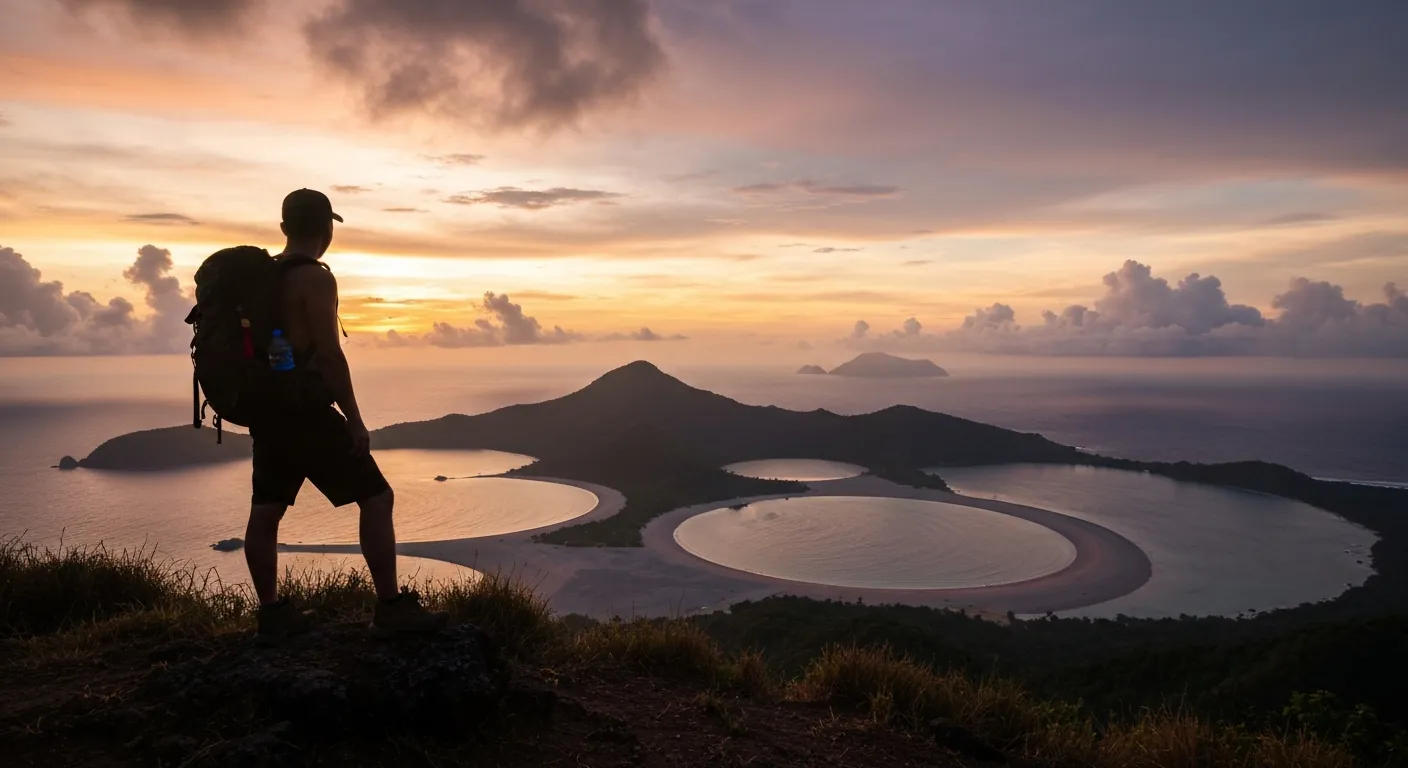
Capturing the vibrant marine ecosystems and dramatic island landscapes of Indonesia requires specialized photography equipment. Bali liveaboard diving offers access to these remote photographic opportunities, from the nutrient-rich waters of Nusa Penida to the iconic Komodo National Park. Divers planning a 2026 trip often prioritize vessels equipped with dedicated camera facilities, recognizing the investment in their photographic pursuits. Indonesia boasts over 17,000 islands, providing diverse topside and underwater vistas for photographers, according to official tourism data from Indonesia.Travel. This article details essential gear and considerations for both underwater and drone imaging.
Underwater Camera Systems for Every Diver
Underwater camera systems are purpose-built or adapted setups for imaging submerged environments, designed to withstand immense pressure and maintain watertight integrity. Entry-level options often feature compact cameras like the Olympus TG-6, housed in a waterproof case rated to 45 meters, costing approximately USD 1,200 for the full kit. These cameras typically offer a 12-megapixel sensor and robust macro capabilities, ideal for capturing small reef creatures.
Mid-range photographers, often those with 100+ logged dives, gravitate towards mirrorless cameras such as the Sony A6600 or Canon EOS R10. When paired with specialized underwater housings, these systems can reach depths of 60 meters or more. A complete mirrorless setup, including a wide-angle port and macro lens, typically ranges from USD 3,000 to USD 6,000. These systems deliver 24-32 megapixel images, offering greater detail and dynamic range for both wide-angle reefscapes and intricate macro subjects.
For luxury segment divers and serious professionals, DSLR systems like the Canon EOS 5D Mark IV or Nikon D850 remain a top choice. These setups, often exceeding USD 10,000 with housing and multiple ports, provide full-frame sensors (20-45 megapixels) and exceptional low-light performance. Their robust construction and extensive lens options make them suitable for capturing everything from schooling hammerheads in the Banda Sea to the elusive pygmy seahorse in Raja Ampat. Many high-end liveaboards accommodate the larger footprint of these professional systems within their camera rooms.
Essential Underwater Lighting and Optics
Effective underwater photography relies on specialized lighting and optical accessories to counteract light absorption and distortion, which significantly diminish colors and clarity at depth. Strobes are external flash units essential for restoring natural colors and freezing motion in underwater images. Popular models like the Inon Z-330 or Sea&Sea YS-D3 MKII offer guide numbers of 33 and 27 respectively, providing powerful light output. A typical two-strobe setup, complete with arms and clamps, represents an investment of USD 1,800 to USD 3,000.
Video lights, conversely, provide continuous illumination, crucial for videography and as focus lights for still photography. Brands like Keldan and Light & Motion offer lights with outputs ranging from 5,000 to 20,000 lumens, ensuring vibrant colors in video footage. These lights often feature wide beam angles, typically 100-120 degrees, to evenly illuminate large scenes. Their battery life usually supports 60-90 minutes of continuous use at full power, sufficient for multiple dives.
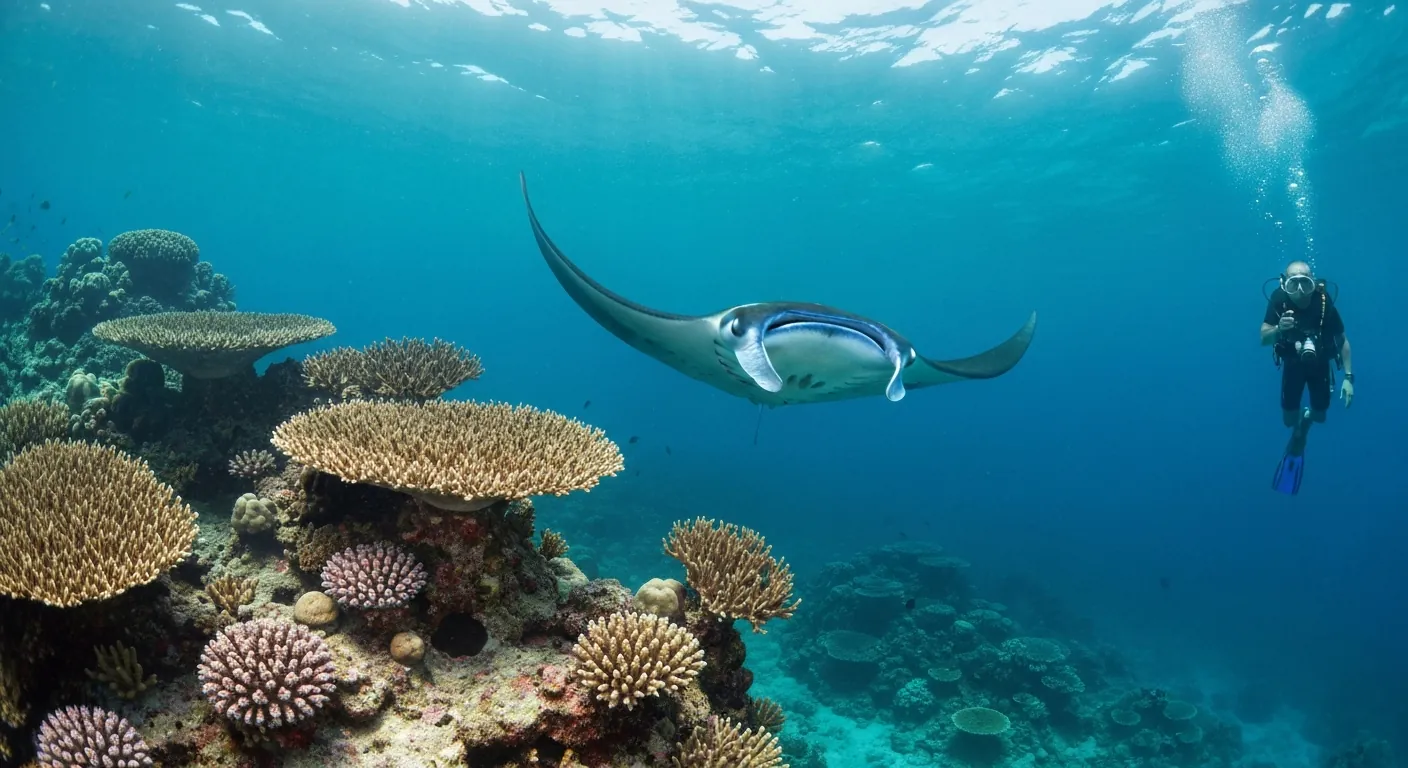
Optical accessories include wide-angle dome ports for capturing expansive reef scenes or large marine animals like manta rays, commonly encountered in Bali and Komodo waters. Flat ports are used for macro lenses, ensuring sharp focus for small subjects. Wet lenses, which attach and detach underwater, provide versatility, allowing photographers to switch between wide-angle and macro capabilities during a single dive. Professional photographers often carry multiple ports and wet lenses, tailored for specific shooting conditions and marine life encounters.
Navigating Drone Photography on a Liveaboard
Drone photography captures aerial perspectives, offering unique views of coastlines, islands, and liveaboard vessels, providing a complementary dimension to underwater imagery. Lightweight, foldable drones such as the DJI Mini 3 Pro or Mini 4 Pro are highly favored by liveaboard guests due to their compact size (often under 250 grams) and extended flight times, typically 30-34 minutes per battery. These models feature high-resolution cameras, often 48 megapixels, capable of shooting 4K video.
However, operating drones in Indonesia requires adherence to specific regulations. The Indonesian Ministry of Transportation, through the Directorate General of Civil Aviation (hubud.dephub.go.id), outlines rules regarding flight zones, altitude limits (generally 150 meters), and permits for commercial or restricted area operations. Liveaboard operators often have specific policies regarding drone usage, especially in protected areas like Komodo National Park, a UNESCO World Heritage Site since 1991. Pilots must secure permission from both the liveaboard captain and potentially park authorities before launching. Always check current regulations and obtain necessary permits well in advance of your 2026 trip.
Safety considerations on a liveaboard include secure takeoff and landing protocols from a moving deck, particularly in windy conditions. Carrying multiple spare batteries is critical, as charging opportunities can be limited to designated times in the liveaboard’s camera room. ND (Neutral Density) filters are also essential accessories, allowing for cinematic motion blur in bright daylight conditions by reducing the amount of light entering the camera sensor. Proper drone insurance is also advisable, as marine environments present unique risks for aerial equipment.
Liveaboard Facilities and Gear Care
Liveaboard vessels designed for divers often feature dedicated facilities to support extensive photography equipment, directly addressing the needs of serious photographers. Most mid-range and luxury liveaboards, accommodating 12-16 guests, include a specialized camera room. These rooms are typically climate-controlled, offering multiple 220V power outlets with universal adapters for charging batteries. Some vessels even provide individual charging lockers for security and organization.
Essential for post-dive maintenance are dedicated freshwater rinse tanks, separate from general gear rinse tanks, specifically for cameras and housings. These tanks are crucial for removing saltwater residue, which can corrode sensitive electronics and damage O-rings. Many liveaboards also provide air guns for drying equipment before opening housings, preventing water ingress. Crew members are often experienced in handling camera gear, assisting with safe transfer to and from tenders for dive entries and exits.
Storage space within cabins is another important consideration. While luxury cabins often feature ample shelving, budget liveaboards may require more creative organization for larger camera setups. Photographers should inquire about specific camera facilities when booking, especially if they plan to bring a full DSLR or mirrorless system with multiple strobes and ports. Proper care of O-rings, including regular cleaning and lubrication with silicone grease, is paramount to maintaining housing integrity and preventing leaks in the marine environment.
Protecting Your Investment: Insurance and Ethics
Protecting valuable photography gear requires comprehensive insurance, while ethical practices ensure responsible interaction with marine life. A professional underwater photography setup, including camera, housing, strobes, and lenses, can easily exceed USD 10,000 to USD 15,000. Standard travel insurance policies often have low limits for electronics, making dedicated photography gear insurance or an extended rider on an existing homeowner’s policy crucial. Divers Alert Network (DAN) offers specialized dive accident insurance, but often does not cover gear. Always verify coverage details for accidental damage, theft, and loss in transit.
Ethical underwater photography is fundamental to preserving Indonesia’s fragile marine ecosystems. Photographers must maintain impeccable buoyancy control to avoid contact with corals or disturbing marine life. Approaching animals too closely, chasing them, or manipulating their environment for a better shot is strictly prohibited. For instance, maintaining a respectful distance of at least 3 meters from manta rays is a widely accepted guideline to avoid stressing these animals. Many liveaboard operators provide briefings on responsible diving and photography practices in protected areas like Komodo National Park.
Drone photography also carries ethical responsibilities. Pilots must respect local privacy, avoiding flights over private property or crowded areas without permission. The noise generated by drones can disturb wildlife, particularly nesting birds or animals sensitive to sudden sounds. Always prioritize the well-being of the environment and local communities over obtaining a photograph. Adhering to these guidelines ensures a sustainable and respectful experience for all participants and the marine environment.
Essential Photography Accessories for Liveaboards
- Spare batteries: For camera, strobes, video lights, and drone (at least 2-3 sets for each).
- Multiple memory cards: High-capacity (e.g., 128GB+) and fast write-speed cards (UHS-II recommended).
- Desiccants/moisture absorbers: Small packets to place inside housings to prevent fogging.
- Lens cleaning kit: Microfiber cloths, lens pen, air blower, and sensor cleaning swabs.
- O-ring grease and removal tool: Essential for housing maintenance and leak prevention.
- Small toolkit: Hex wrenches, screwdrivers, and pliers for minor adjustments and repairs.
- Wet/dry bag: For protecting delicate equipment during shore excursions or tender rides.
- Power adapters/multi-port charger: To efficiently charge multiple devices simultaneously from 220V outlets.
- Portable hard drive or SSD: For backing up images and videos daily, offering 1-2TB storage.
- Underwater focus light: A small, powerful light to aid camera autofocus in low light.
- Float arms/buoyancy aids: To counteract the negative buoyancy of heavy camera setups.
Successful underwater and drone photography on a Bali liveaboard diving trip requires careful planning of equipment and adherence to best practices. From selecting the right camera system to understanding local regulations, preparation enhances both image quality and safety. Many mid-range liveaboards, typically priced from USD 280-450 per person per night for 7-10 nights, provide excellent camera facilities suitable for capturing the diverse beauty of Indonesia’s underwater and aerial landscapes, from Komodo National Park to the vibrant reefs of Nusa Penida. Explore our liveaboard options to find the perfect vessel for your photographic adventure.