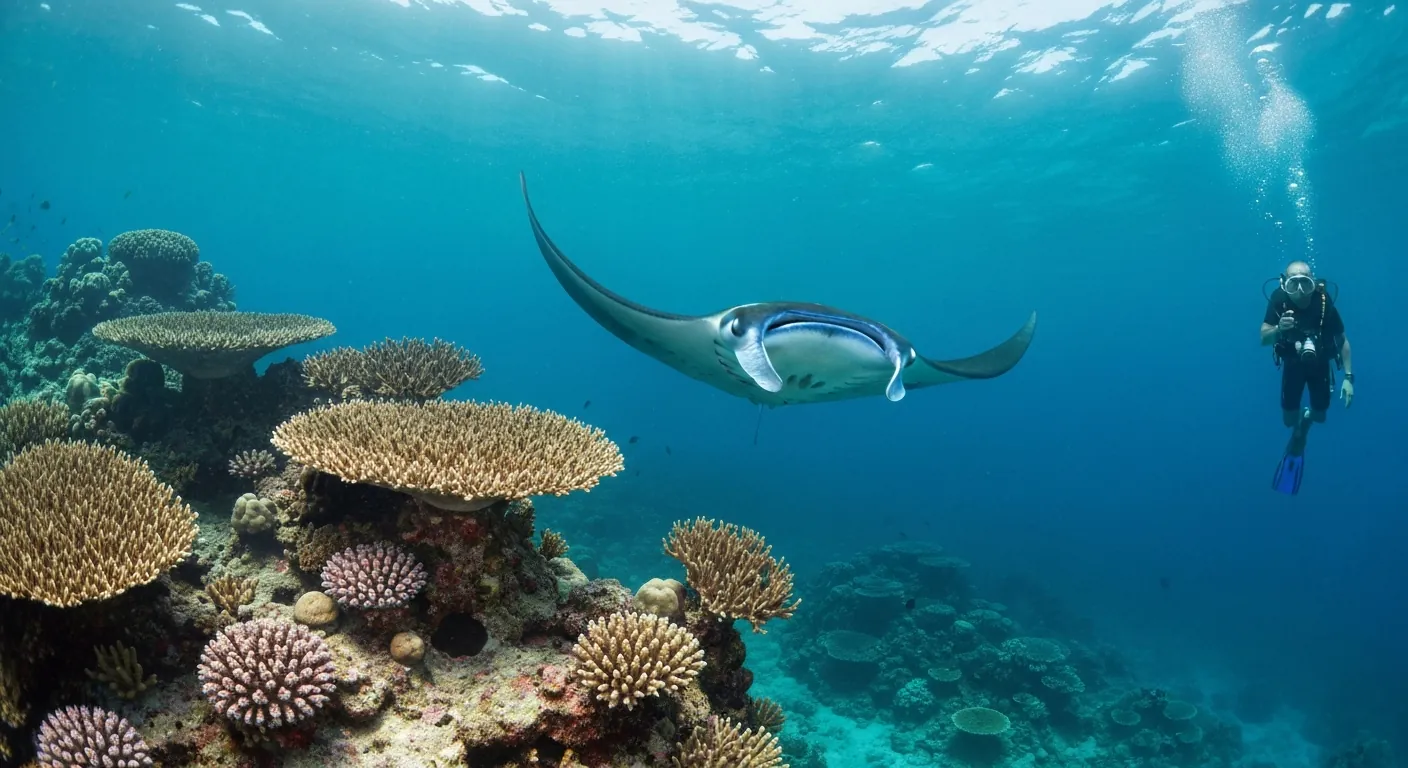
Manta rays represent a significant draw for Bali liveaboard diving, offering divers opportunities to observe these large cartilaginous fish in their natural habitat. Two primary species frequent Indonesian waters: the oceanic manta ray (Mobula birostris), reaching wingspans up to 7 meters, and the reef manta ray (Mobula alfredi), typically 3 to 5 meters across. These filter feeders consume vast quantities of zooplankton, making their presence highly dependent on localized plankton blooms and ocean currents. The Indonesian government officially designated manta rays as a fully protected species in 2014, a crucial step in their conservation efforts across the archipelago, as reported by the Ministry of Marine Affairs and Fisheries (KKP).
Manta Ray Species in Indonesian Waters
Indonesia’s marine ecosystems host both the oceanic manta ray (Mobula birostris) and the reef manta ray (Mobula alfredi). Oceanic mantas are pelagic, often found in open ocean environments, and are distinguished by their larger size, darker dorsal markings, and migratory patterns. Reef mantas, conversely, prefer shallower, coastal waters, often residing near coral reefs and cleaning stations. These smaller mantas exhibit more predictable behavior and are frequently encountered at specific dive sites around Bali. Both species are filter feeders, consuming zooplankton through their wide mouths, and their presence indicates healthy marine food webs.
Seasonal Peaks for Manta Sightings in Bali
Manta ray sightings in Bali are possible year-round, but specific seasons offer significantly higher probabilities. The peak season for manta encounters around Nusa Penida and Nusa Lembongan typically runs from April to May and then from September to November. During these periods, water temperatures generally range between 20-26°C, which is conducive to plankton blooms that attract mantas. Visibility averages 15-25 meters, though it can fluctuate based on plankton density. Liveaboard operators report a 70-90% chance of sightings at key locations during these months, with daily sightings common. Outside these peaks, probabilities decrease, but encounters still occur, especially during the dry season from June to August.
Premier Manta Ray Dive Sites Accessible by Bali Liveaboard
Bali liveaboards primarily target two renowned sites near Nusa Penida for consistent manta ray encounters: Manta Point and Manta Bay. Manta Point, located on Nusa Penida’s south coast, is a well-known cleaning station where reef mantas visit to have parasites removed by smaller fish. Here, divers often observe multiple mantas simultaneously, sometimes exceeding 10 individuals. Currents at Manta Point can be moderate to strong, occasionally reaching 2-3 knots, requiring appropriate drift diving experience, which is often a prerequisite for advanced open water certification. Manta Bay offers shallower, calmer conditions, making it suitable for divers of all experience levels, including snorkelers. These sites are typically included in 3-4 night Bali-only liveaboard itineraries, which can cost from USD 900–1,400 per person.
Optimizing Your Bali Liveaboard for Manta Encounters
Selecting the right liveaboard itinerary significantly enhances the probability of manta ray sightings. Bali-only liveaboards (3-4 nights) focus intensely on Nusa Penida and Nusa Lembongan, maximizing dive time at Manta Point and Manta Bay. For those seeking broader experiences, 6-8 night Bali-Komodo liveaboards often include stops at Nusa Penida before heading east. Komodo National Park itself hosts famous manta sites like Manta Alley and Karang Makassar, offering additional high-probability encounters. Mid-range Bali-Komodo liveaboards typically cost USD 1,800–3,500 per person and offer 3-4 dives daily. Luxury vessels, priced from USD 3,800–7,500+, provide extended itineraries, often including more remote areas like Alor or the Banda Sea, where manta sightings are also possible, particularly during specific migratory periods. Consult liveaboard availability for specific seasonal routes.
Responsible Diving with Bali’s Manta Rays
Adhering to responsible diving practices is paramount for protecting Bali’s manta ray populations. Divers must maintain a respectful distance of at least 3-5 meters from mantas, avoiding direct contact, chasing, or blocking their path. Flash photography is discouraged as it can disorient these sensitive creatures. Liveaboard operators usually provide detailed briefings on manta etiquette, emphasizing passive observation. The use of reef-safe sunscreen and minimizing personal waste also contribute to marine ecosystem health. Manta rays are slow-growing, long-lived animals with low reproductive rates, making them particularly vulnerable to human disturbance and habitat degradation. Supporting operators committed to conservation and following guidelines helps ensure these magnificent animals thrive for future generations of divers.
What to Expect on a Manta-Focused Bali Liveaboard
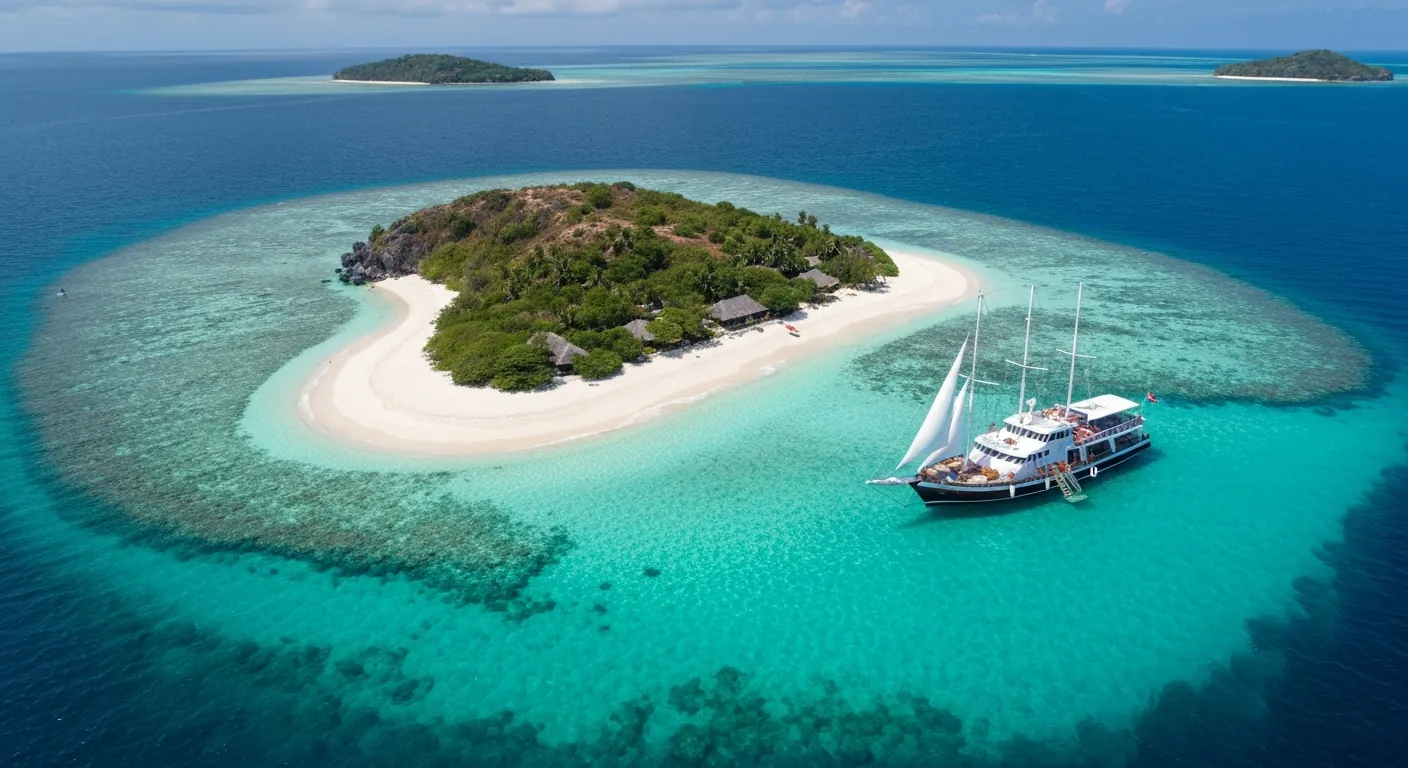
A liveaboard trip designed for manta ray encounters offers a structured and immersive diving experience. Here are key aspects and expectations:
- Targeted Itineraries: Boats prioritize dive sites like Manta Point and Manta Bay at Nusa Penida, often scheduling multiple dives there.
- Experienced Dive Guides: Guides possess specific knowledge of manta behavior, local currents, and optimal viewing spots.
- Flexible Scheduling: Dive times may adjust based on tides, currents, and real-time reports of manta presence.
- Briefings on Manta Etiquette: Before each manta dive, comprehensive briefings cover responsible interaction guidelines and conservation efforts.
- Underwater Photography Opportunities: Liveaboards often cater to underwater photographers with dedicated camera rinse tanks and charging stations.
- Water Conditions: Expect water temperatures around 20-26°C and potential currents, especially at Manta Point, requiring good buoyancy control.
- Visibility: Visibility typically ranges from 15 to 25 meters, though it can decrease during peak plankton blooms, which ironically attract the mantas.
- Other Marine Life: While mantas are the focus, divers also encounter diverse reef fish, turtles, and occasional pelagic species around Nusa Penida.
- Safety Protocols: Operators maintain strict safety standards, including emergency oxygen, first aid, and clear communication protocols for all dives.
Maximizing manta ray sightings on a Bali liveaboard requires understanding seasonal patterns and selecting itineraries that prioritize key aggregation sites. The commitment to responsible diving practices protects these protected species and ensures a sustainable future for Bali’s thriving marine tourism. Proper planning, including reviewing safety and insurance information, enhances the overall experience.
Imagine the ethereal ballet of a giant manta ray, a shadow against the sun-dappled surface, gliding effortlessly overhead as you drift through the warm currents of the Indonesian archipelago. While manta rays are found globally, the waters surrounding Bali and its nearby islands offer some of the most consistent and spectacular opportunities for these encounters, especially during their peak season.
Prime manta hotspots around Bali
For divers seeking guaranteed manta encounters, the islands southeast of Bali are indispensable stops on any liveaboard itinerary. Nusa Penida, in particular, is world-renowned for its dedicated manta sites. Manta Point, a famous cleaning station along the rugged coastline, consistently draws both reef and occasional oceanic mantas. Here, divers can often witness multiple individuals circling specific coral bommies, patiently waiting their turn to be cleaned by smaller reef fish. It’s a truly humbling experience to observe these majestic creatures in their natural ritual, often at depths as shallow as 10-15 meters.
Another prominent location is Manta Bay, a shallower, more sheltered site ideal for snorkelers and divers alike, especially when currents are strong at Manta Point. The proximity of these sites, typically just a 30-45 minute boat ride from Bali’s eastern coast, makes them a cornerstone of local dive operations and liveaboard routes. Further afield, but still accessible on extended liveaboard journeys from Bali, destinations like Komodo National Park offer legendary sites such as Manta Alley and Makassar Reef (often called “Manta Sandy”), where dozens of mantas can congregate simultaneously, particularly during the wet season, creating an unforgettable spectacle. For more on Indonesia’s incredible marine diversity, visit Indonesia.travel.
The liveaboard advantage for encounters
While day trips offer a taste of Bali’s manta magic, a liveaboard experience elevates the encounter to an entirely different level. These floating hotels provide access to more remote and less-frequented dive sites, maximizing your chances of observing mantas away from the crowds. Liveaboards typically offer 3-4 dives per day, allowing for strategic timing around manta feeding or cleaning schedules, including dawn or dusk dives when marine life activity is often at its peak. This flexibility and immersion mean more time in the water and a greater probability of those intimate, extended encounters with these gentle giants.
Beyond the sheer number of dives, a liveaboard provides the convenience of waking up directly at the dive site. Expert dive guides on board possess extensive local knowledge of currents, tides, and manta behaviors, significantly enhancing the likelihood of successful sightings. Furthermore, the ability to chase the best conditions across various locations, moving between islands like Nusa Penida and potentially even extending to the Gilis or Lombok depending on the itinerary, ensures that your manta season journey is optimized for the most rewarding experiences.
Responsible diving and manta conservation
Observing manta rays is a privilege that comes with the responsibility of ensuring their continued protection. As filter feeders, mantas are highly sensitive to their environment, making sustainable tourism practices crucial. When encountering mantas, it is imperative to maintain a respectful distance, typically at least 3 meters, and never attempt to touch or chase them. Sudden movements or loud noises can disrupt their natural behavior, especially at cleaning stations where they are most vulnerable.
Liveaboard operators committed to conservation often educate divers on best practices and participate in citizen science initiatives, encouraging guests to contribute identification photos to databases like MantaMatcher. This data helps researchers track individual mantas, monitor populations, and understand their migratory patterns. Supporting operators who adhere to strict environmental guidelines and contribute to local conservation efforts is paramount in safeguarding these magnificent creatures for future generations. Learn more about global manta conservation efforts on Wikipedia.