
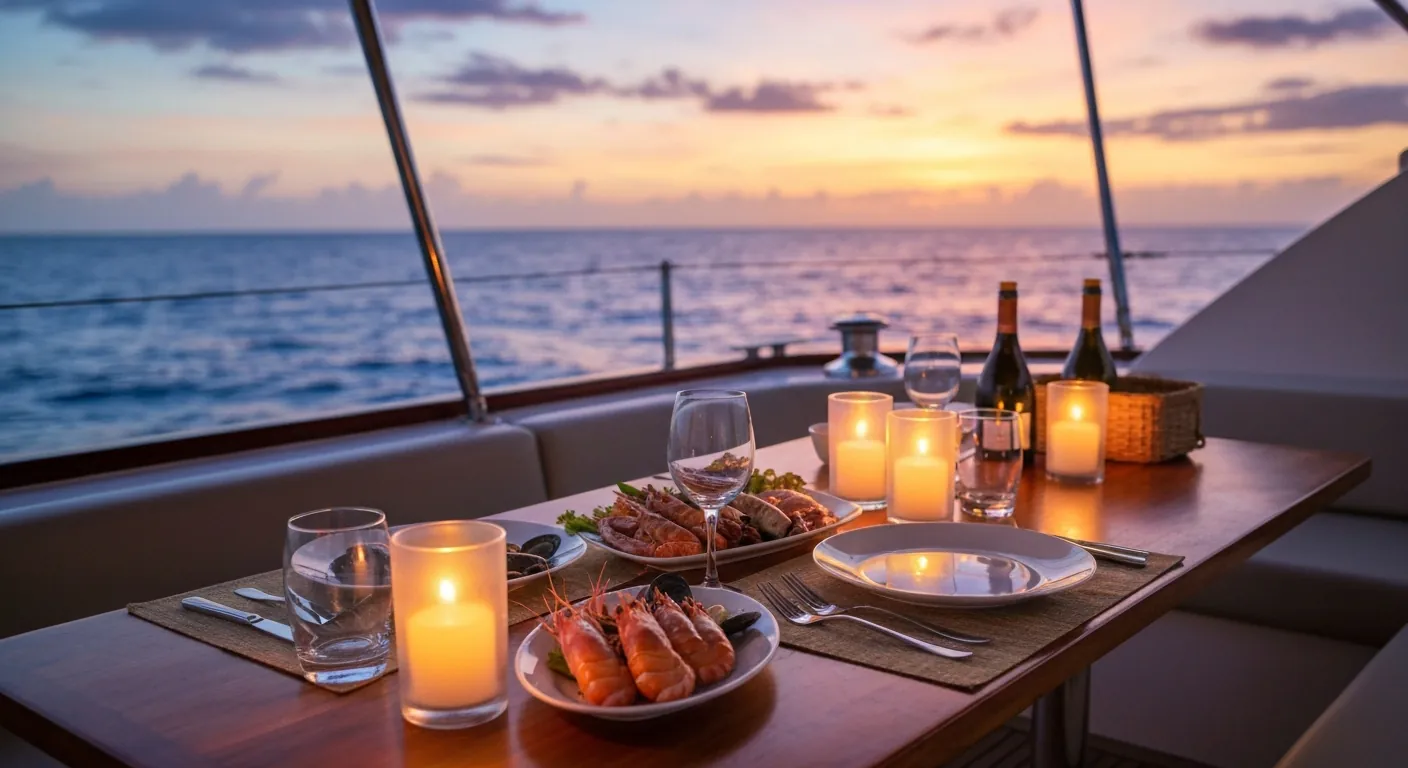
The culinary experience on a Bali liveaboard diving expedition is a critical component of overall guest satisfaction, extending beyond exceptional underwater encounters. Modern liveaboard operators recognize the diverse dietary needs and preferences of international travelers. Guests from Germany, the United States, and Australia, representing a significant portion of liveaboard clientele in 2026, often seek specific meal accommodations. Indonesia’s rich culinary heritage, documented by sources like indonesia.travel, forms the base for many onboard menus. Vessels typically provision for 6-16 guests for trips ranging from 3 to 12 nights, ensuring fresh, local ingredients are available throughout the voyage. Detailed provisioning ensures dietary restrictions, from common allergies to specific cultural requirements, are meticulously managed, contributing to a comfortable and memorable journey across Indonesia’s vibrant waters.
The Onboard Culinary Experience
Liveaboard diving vessels operating out of Bali offer a varied culinary experience, distinct from resort dining. Meals are prepared by a dedicated onboard chef, often with a small galley team, serving 3-4 meals daily, including snacks. Focus is on fresh, locally sourced ingredients. Fish and seafood are often acquired directly from local fishermen in port, ensuring peak freshness for guests, who pay between USD 250 and USD 850+ per night. A mid-range liveaboard for 7-10 nights, costing USD 280-450 per person per night, typically includes a mix of Indonesian specialties and international comfort foods.
The culinary style balances authentic Indonesian flavors with dishes familiar to international palates. Guests can expect dishes like Nasi Goreng, Gado-Gado, and fresh grilled fish, alongside pasta, salads, and freshly baked bread. Menus are generally set, but flexibility for dietary requests is a core service. Most vessels accommodate 12-16 guests, requiring efficient meal planning.
Accommodating Common Dietary Restrictions
Addressing dietary restrictions is standard practice for Bali liveaboard operators. Common requests include vegetarian, vegan, gluten-free, and dairy-free options. Operators require this information well in advance, typically during booking or via a pre-departure questionnaire issued 30-60 days prior. This allows chefs to plan menus, purchase specific ingredients, and avoid cross-contamination. A vegetarian diver from the UK, a key market segment, can expect dedicated meat-free dishes at every meal.
Allergies, such as to nuts, shellfish, or specific spices, are treated with utmost seriousness. Crew members are briefed on guest allergies, and kitchen protocols are adjusted. While kitchens are compact, chefs manage multiple dietary requirements simultaneously for the 6-16 guests onboard. Clear communication from the guest is paramount for their safety and enjoyment throughout the 3-12 night itinerary.
Catering to Specific Preferences and Cultural Needs
Beyond common restrictions, Bali liveaboards also cater to specific dietary preferences and cultural requirements. Pescatarian diets are easily accommodated given the abundance of fresh seafood. Guests requesting specific protein sources or a low-carb diet can often be accommodated with prior notice. For the 20-30% of solo travelers who may share cabins, having their dietary needs met contributes significantly to their comfort.
Cultural dietary needs, such as Halal or Kosher meals, present a greater challenge due to specialized sourcing and preparation. While some high-end luxury liveaboards, priced at USD 500-850+ per person per night, might offer limited options with significant advance notice, most mid-range vessels cannot guarantee full adherence. Guests should clarify these needs directly with the operator at booking, ideally 6-12 months in advance for peak season sailings like June-October.
Communicating Your Dietary Needs Effectively
Effective communication is crucial for ensuring all dietary requirements are met on a Bali liveaboard. The process typically begins during the initial booking phase. Most operators provide a dedicated section on their booking forms or a separate questionnaire for listing allergies, restrictions, and preferences. Completing this form accurately and thoroughly, ideally 60 days before departure, is the first step.
Following booking, guests should confirm their dietary information with the operator via email or booking agent. This secondary confirmation helps prevent misunderstandings. Upon boarding, a brief discussion with the cruise director or chef can provide final clarity. This proactive approach ensures kitchen staff, who cater to 12-16 guests, are prepared to deliver a tailored culinary experience throughout the 6-8 night mid-range trip, which often costs USD 1,800-3,500 per person.

Onboard Sourcing and Preparation Logistics
The logistics of provisioning a liveaboard for 6-16 guests across an 8-12 night itinerary, often visiting remote areas like Komodo or Alor, are complex. Operators prioritize fresh produce, meat, and seafood, sourcing them from major ports like Serangan in Bali or Labuan Bajo in Flores. These ports serve as primary hubs, allowing vessels to restock perishables and
The art of sourcing and sustainability for discerning palates
Imagine the aroma of freshly caught snapper, grilled to perfection, mingling with the salty sea air as you watch the sunset over a remote Balinese island. This sensory experience is meticulously crafted long before guests step aboard. The true luxury of liveaboard dining begins with an unwavering commitment to sourcing the finest, freshest ingredients. Operators cultivate direct relationships with local fishermen and farmers across the Indonesian archipelago, often making weekly trips to bustling coastal markets, sometimes starting before dawn, to hand-select produce. This ensures not only freshness but also supports local economies and traditional livelihoods, aligning with sustainable tourism practices.
Beyond the immediate appeal of fresh ingredients, these relationships are vital for understanding seasonal availability and ensuring quality. For instance, the rich volcanic soils of Bali yield exceptional fruits and vegetables, while the surrounding waters teem with diverse seafood. Luxury liveaboards prioritize sustainable fishing methods, working with suppliers who adhere to responsible practices to protect Indonesia’s vibrant marine ecosystems. This careful procurement process extends to specialty items, from artisanal Indonesian chocolates to premium imported cheeses, all stored under optimal conditions to maintain their integrity throughout voyages that can span up to 12 nights.
Tailored menus and culinary excellence at sea
The onboard culinary team transforms these pristine ingredients into masterpieces, delivering a dining experience that rivals top-tier restaurants on land. Prior to departure, guests complete detailed preference sheets, allowing the chef to craft bespoke menus that anticipate every desire. This goes beyond simple dietary restrictions; it encompasses preferred cuisines, spice levels, and even specific comfort foods. A typical luxury liveaboard chef, often trained in international culinary arts, might prepare 40-50 unique dishes over a 7-night itinerary, ensuring variety and delightful surprises at every meal, from sunrise breakfasts to elegant multi-course dinners.
Dining experiences are often varied, ranging from casual al fresco lunches on the deck to themed gourmet dinners celebrating Indonesia’s rich culinary heritage, perhaps focusing on the distinct flavors of Padang or Balinese cuisine. The beverage program is equally sophisticated, featuring a curated selection of international wines, premium spirits, craft beers, and an array of fresh-squeezed juices and bespoke mocktails. Some vessels even boast dedicated baristas for gourmet coffee service. Special occasions, such as birthdays or anniversaries, are celebrated with custom cakes and champagne, adding an extra layer of personalized luxury to the journey. The incredible diversity of Indonesian cuisine, from its aromatic spices to its fresh seafood, is a constant source of inspiration for these onboard kitchens, as highlighted by resources like Indonesia.Travel’s culinary guides.
Ensuring health, safety, and a seamless supply chain
Maintaining impeccable health and safety standards is paramount, especially in remote marine environments. Liveaboard operators adhere to stringent international food safety protocols, covering everything from ingredient handling and preparation to storage and waste management. Advanced refrigeration and freezer systems are essential for preserving fresh produce and proteins for extended periods, while state-of-the-art water purification systems ensure a continuous supply of safe, potable drinking water for all guests. Some luxury liveaboards carry up to 2,000 liters of purified water, replenished regularly.
The logistical challenge of maintaining a seamless supply chain across vast distances is the operators’ expertise. For expeditions venturing into more remote regions like Raja Ampat or Komodo, re-provisioning occurs at strategic hubs such as Labuan Bajo or Sorong. This requires precise coordination, often involving multiple transfers from land to smaller boats, ensuring that fresh supplies arrive on schedule without disrupting the guest experience. This intricate network of sourcing, preparation, and logistics is the unseen foundation that allows guests to savor every moment, knowing that every culinary detail has been meticulously managed.