
Bali Liveaboard Diving
Bali Liveaboard Diving — Bali Liveaboard Diving FAQ
FAQ
FAQ Quick Answers
How do I find the best deals on Bali liveaboard diving trips?
To find the best deals on Bali liveaboard diving trips, book early and compare prices across various operators. Consider booking during the off-peak season and watch for promotions on diving forums or newsletters.
What is the deposit required to book a Bali liveaboard diving adventure?
Deposit requirements vary by operator, but typically range from 20% to 50% of the total trip cost. Confirm with the specific operator before booking.
Are there any discounts available for group bookings on Bali liveaboards?
Some operators may offer group booking discounts. It’s advisable to directly contact the operator to inquire about any available discounts for larger groups.
How can I book a Bali liveaboard diving trip online?
You can book a Bali liveaboard diving trip online through the operator’s official website or reputable travel platforms. Ensure the site is secure before entering payment details.
What is the cancellation policy for Bali liveaboard bookings?
Cancellation policies differ between operators. Generally, a full refund may be available if cancelled well in advance, with stricter terms closer to the departure date.
How far in advance should I book a Bali liveaboard to secure my spot?
Booking several months in advance is advisable to secure your spot, especially for trips during peak season or on popular itineraries.
Is it possible to join a Bali liveaboard as a solo traveler?
Yes, solo travelers can join Bali liveaboards, often sharing cabins with other guests, depending on availability.
How much should I tip the crew on a Bali liveaboard?
A common tipping guideline is around USD 200 for a typical 7-night trip, equating to about USD 10 per dive.
Are there any Bali liveaboard options for luxury travel?
Yes, Bali liveaboards offer luxury options. These typically charge EUR 900 or more per night, providing high-end amenities and services.
How do liveaboard experiences vary between different Bali operators?
Liveaboard experiences differ based on vessel size, amenities, itineraries, and service levels. Researching specific operators can provide more insights.
What is the refund policy if a Bali liveaboard trip is canceled?
Refund policies vary by operator. It’s crucial to review terms before booking to understand cancellation and refund conditions.
Do Bali liveaboards offer private charters?
Private charters may be available depending on the operator. It’s best to inquire directly for specific arrangements and pricing.
What are the payment options for booking a Bali liveaboard trip?
Payment options typically include credit card and bank transfer. Some operators may accept PayPal or cash, but it’s best to check directly with the provider.
Is there a loyalty program for frequent Bali liveaboard divers?
Some operators offer loyalty programs for repeat divers, though this varies. It’s recommended to inquire directly with the operator for details.
Can I request a specific cabin on a Bali liveaboard?
Requesting a specific cabin is possible on many liveaboards, subject to availability. Early booking increases chances of securing preferred options.
Do Bali liveaboards offer discounts for children?
Discounts for children may be offered by some operators, though policies vary. It’s advisable to inquire directly.
Is it possible to extend a Bali liveaboard trip once it has started?
Extending a trip mid-journey depends on availability and logistics. Discuss options with the operator before departure.
Is it possible to arrange a Bali liveaboard trip for a special occasion?
Bali liveaboards can often arrange special occasions like birthdays or anniversaries. Discuss your requirements with the operator in advance.
Are there any age restrictions for participating in a Bali liveaboard diving trip?
Age restrictions vary, but participants usually need to be at least 12 years old. Confirm with the operator for specific age requirements.
Is previous diving experience required to join a Bali liveaboard?
While some liveaboards cater to beginners, having prior diving experience is beneficial. Check with the operator for any prerequisites.
Is there a minimum number of dives required to join a Bali liveaboard?
Most Bali liveaboards require divers to have a minimum of Open Water certification and some experience, but specifics vary by operator.
Do Bali liveaboards offer courses for divers looking to advance their certification?
Some Bali liveaboards may offer advanced diving courses, but availability can vary. It’s best to check directly with the operator.
Are Bali liveaboard trips family-friendly?
Family-friendly options may exist, but it’s advisable to confirm age requirements and available amenities with the operator.
What are the health and fitness requirements for joining a Bali liveaboard?
Participants should generally be in good health and comfortable with multiple dives daily. Specific requirements can vary by operator.
Are there any Bali liveaboard options for beginner divers?
Some liveaboards cater to beginners, offering suitable dive sites and guidance. Confirm options and requirements with the operator.
Are there any Bali liveaboard trips specifically for advanced divers?
Trips for advanced divers are available, focusing on challenging sites. Check with operators for itineraries tailored to skill levels.
What is the minimum age for children on Bali liveaboards?
Minimum age policies vary, but many liveaboards require children to be at least 10 years old. Confirm with the operator for specific rules.
Are there any Bali liveaboard options for tech diving?
Some Bali liveaboards offer tech diving options. It’s advisable to inquire directly with operators about available facilities and equipment.
How do Bali liveaboards accommodate guests with disabilities?
Bali liveaboards strive to accommodate guests with disabilities. Contact operators to discuss specific needs and available facilities.
Is travel insurance necessary for a Bali liveaboard diving trip?
Travel insurance is strongly recommended for a Bali liveaboard diving trip to cover unexpected events like trip cancellations or medical emergencies.
What safety measures are in place on Bali liveaboards?
Safety measures on Bali liveaboards include emergency equipment, trained crew, and safety briefings. Verify specific protocols with your chosen operator.
Are Bali liveaboard operators certified by any diving organizations?
Many Bali liveaboard operators are certified by recognized diving organizations. Confirm certifications with the operator for peace of mind.
Are there any specific vaccinations required for traveling to Bali?
No specific vaccinations are required for Bali, but it’s advisable to consult a healthcare provider for recommendations.
How do Bali liveaboards handle emergency situations?
Bali liveaboards are equipped to handle emergencies with trained crew and safety protocols, but specifics should be confirmed with the operator. Learn more.
Do Bali liveaboards have medical staff on board?
Not all liveaboards have medical staff, although crews are often trained in first aid. Verify with the operator regarding onboard medical facilities.
How do Bali liveaboards ensure the safety of divers during trips?
Safety is prioritized through briefings, adherence to dive plans, and emergency protocols. Operators usually have safety equipment onboard. Learn more.
Are there any specific regulations for diving in Bali?
Regulations include respecting marine life and protected areas, as well as following local guidelines. Operators typically ensure compliance.
Is there a recommended insurance provider for Bali liveaboard trips?
While no specific provider is endorsed, divers are encouraged to have comprehensive travel and dive insurance covering liveaboard activities.
Can I join a Bali liveaboard if I am prone to seasickness?
If prone to seasickness, consider medication and choose trips during calmer months (April-November) for smoother conditions.
What is the process for obtaining a dive permit for Bali liveaboards?
Dive permits are generally managed by the operator as part of the trip planning process. Confirm details during booking.
Do Bali liveaboards provide oxygen tanks for emergencies?
Most Bali liveaboards are equipped with emergency oxygen tanks. It’s advisable to confirm this with the operator before booking.
What is the crew-to-guest ratio on Bali liveaboards?
Crew-to-guest ratios vary, but many liveaboards aim for personalized service. Specific ratios should be confirmed with the operator.
What is the experience level of dive guides on Bali liveaboards?
Dive guides on Bali liveaboards are typically experienced, often holding advanced certifications. Specific qualifications can vary by operator. Learn more.
Is there a recommended dive insurance provider for Bali liveaboard trips?
While there are many dive insurance providers, it’s recommended to choose one that covers liveaboard diving specifically. Research options before your trip.
Are meals included in the cost of a Bali liveaboard diving trip?
Meals are usually included in the cost of a Bali liveaboard diving trip, covering breakfast, lunch, and dinner. Verify this with your chosen operator before booking.
What type of accommodations are provided on Bali liveaboards?
Accommodations on Bali liveaboards typically range from shared cabins to private rooms with en-suite facilities, depending on the vessel’s size and class.
Are dietary restrictions accommodated on Bali liveaboards?
Dietary restrictions are often accommodated on Bali liveaboards. It’s important to inform the operator of any specific needs in advance.
Is Wi-Fi available on Bali liveaboards?
Wi-Fi availability varies by vessel. Some may offer limited connectivity, while others might not have it at all. Confirm with the operator beforehand.
What is the average group size on a Bali liveaboard diving trip?
Group sizes can vary significantly, but many liveaboards accommodate around 10-20 guests to ensure personalized service and safety.
What type of food is typically served on Bali liveaboards?
Bali liveaboards usually serve a mix of Indonesian and international cuisine, catering to diverse tastes.
Are there any language barriers on Bali liveaboards?
English is widely spoken on Bali liveaboards, minimizing language barriers. Some crew members may speak additional languages. Learn more.
What is the policy on alcohol consumption on Bali liveaboards?
Alcohol policies vary, with many liveaboards offering drinks for purchase. It’s best to confirm specifics with the operator.
What is the availability of electrical outlets on Bali liveaboards?
Electrical outlets are generally available in cabins and common areas, but it’s wise to bring adapters for different plug types.
How do Bali liveaboards handle dietary preferences and allergies?
Dietary preferences and allergies are usually accommodated with advance notice. Communicate specific needs to the operator when booking.
Do Bali liveaboards have designated smoking areas?
Most Bali liveaboards have designated smoking areas on deck. It’s best to check with your specific operator for their policy.
Do Bali liveaboards offer multilingual guides?
Many Bali liveaboards offer multilingual guides. It’s best to confirm language options with your chosen operator.
Are there any Bali liveaboard options that include yoga or wellness activities?
Some liveaboards offer yoga or wellness activities as part of their itinerary. Check with operators for specific offerings.
What is the policy on pets or service animals on Bali liveaboards?
Policies on pets or service animals vary. It’s crucial to discuss with the operator before booking to understand their specific rules.
Do Bali liveaboards offer equipment rental, or should I bring my own gear?
Most Bali liveaboards provide equipment rental for an additional fee. It’s best to check with the operator in advance to ensure availability and pricing.
Can I bring my camera equipment on a Bali liveaboard?
You can bring camera equipment on a Bali liveaboard, but check storage and charging facilities with the operator.
Are dive computers available for rent on Bali liveaboards?
Dive computers might be available for rent on some liveaboards, but it’s recommended to confirm availability in advance.
Are there any Bali liveaboard options that focus on underwater photography?
Certain liveaboards cater to underwater photographers, offering facilities like camera stations. Check with operators for specific offerings.
Do Bali liveaboards provide wetsuits for guests?
Wetsuits are often available for rent on Bali liveaboards, though bringing personal gear is recommended for fit and comfort.
What is the procedure for dealing with lost or damaged equipment on Bali liveaboards?
Procedures for lost or damaged equipment vary, but most liveaboards have protocols in place. It’s advisable to bring personal spare gear if possible.
What is the policy on drone usage during Bali liveaboard trips?
Drone usage policies on Bali liveaboards vary. It’s important to check with the operator and adhere to local regulations.
When is the peak season for Bali liveaboard diving?
The peak season for Bali liveaboard diving is typically during the dry season, from April to November, when conditions are optimal. Learn more.
How does Bali liveaboard diving compare to other popular diving destinations?
Bali liveaboard diving offers diverse marine life and stunning underwater landscapes, comparable to other top destinations like Komodo and Raja Ampat.
What is the best time of year to see marine life on a Bali liveaboard?
The best time for marine life on a Bali liveaboard is generally during the dry season, from April to November, when conditions are optimal for diving.
What kind of marine life can I expect to see on a Bali liveaboard trip?
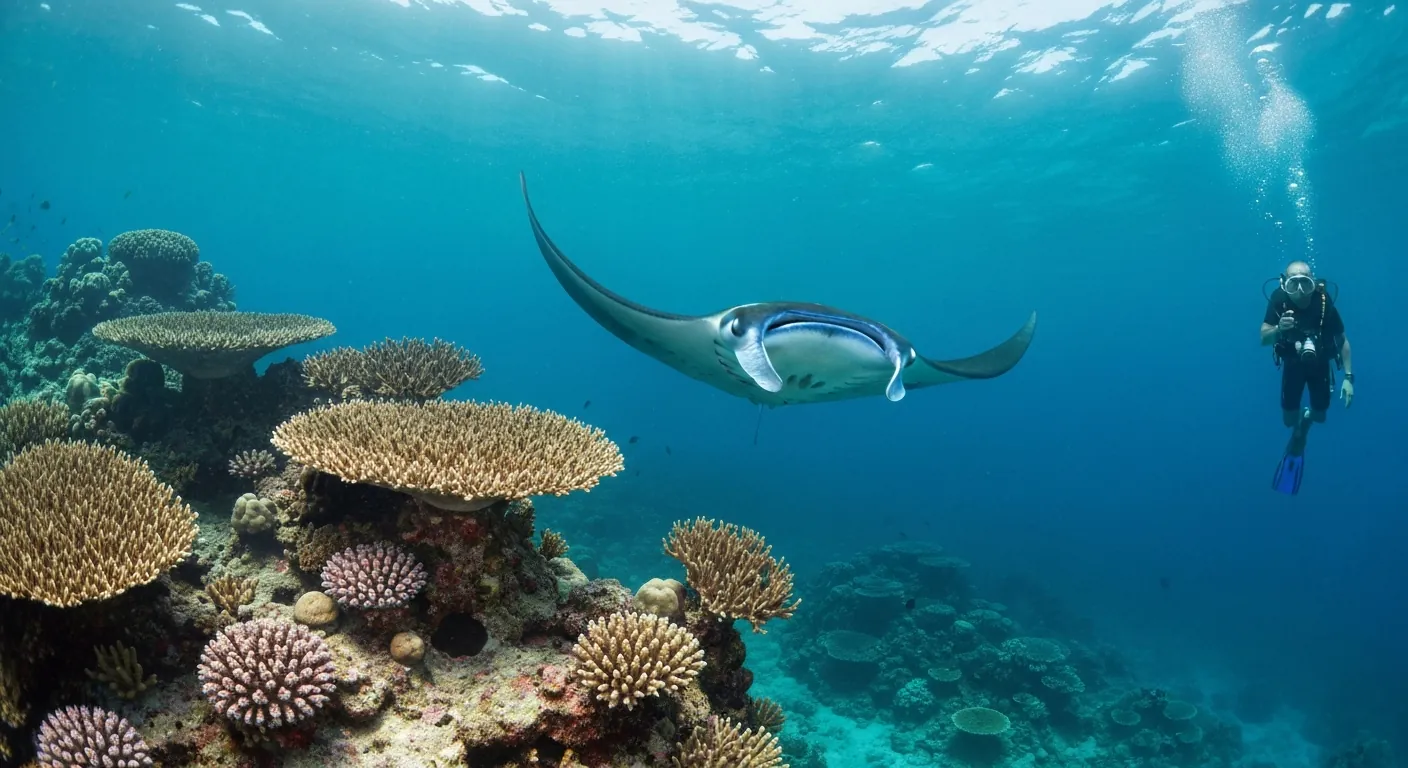
Expect to see a variety of marine life, including manta rays, reef sharks, and vibrant coral reefs on a Bali liveaboard trip.
What happens if the weather is bad during a Bali liveaboard trip?
If the weather is bad, itineraries may be adjusted for safety, with alternative sites or activities planned.
Are there any Bali liveaboards that specialize in specific marine life encounters?
Some liveaboards specialize in encounters with specific marine life, like mantas or mola mola. Check itineraries for targeted experiences.
What is the typical duration of a Bali liveaboard diving trip?
A typical Bali liveaboard diving trip lasts between 7 to 12 nights, offering ample time to explore multiple dive sites.
How does the diving experience differ between Bali liveaboards and day trips?
Bali liveaboards offer extended trips with multiple dives per day and access to remote sites, whereas day trips are shorter and cover nearby locations.
What is the maximum depth of dives typically conducted on Bali liveaboards?
Maximum dive depths depend on the itinerary and diver certification, but typically range from 18-30 meters for recreational dives.
What is the typical itinerary for a Bali liveaboard diving trip?
A typical itinerary includes 7-12 nights with 3-4 dives per day, covering various dive sites around Bali and nearby regions.
Are there any Bali liveaboard trips that include land tours?
Some liveaboard trips include land tours, particularly those with itineraries featuring Komodo or nearby islands.
How do Bali liveaboards manage dive schedules and site selections?
Dive schedules and site selections are typically managed by experienced dive guides, considering conditions and guest preferences.
What are the typical surface intervals during Bali liveaboard trips?
Surface intervals on Bali liveaboard trips usually last 1-2 hours, allowing for adequate rest and nitrogen off-gassing.
What should I pack for a Bali liveaboard diving trip?
Pack light, breathable clothing, swimwear, dive gear (if not renting), sunscreen, and personal items. A dry bag and reef-safe sunscreen are also recommended.
What are the boarding and disembarkation locations for Bali liveaboards?
Boarding and disembarkation locations vary, but often include main ports in Bali such as Benoa or Serangan.
How do I get from the airport to the Bali liveaboard departure point?
Transportation options from the airport to the departure point include taxis and private transfers, often arranged by the liveaboard operator.
What are the luggage restrictions for Bali liveaboard trips?
Luggage restrictions can vary, but space is often limited. Soft bags are usually recommended for easier storage.
How do I transfer my luggage to the Bali liveaboard?
Luggage transfer is generally organized by the liveaboard operator, often from a designated meeting point or hotel.
Are there any cultural excursions included in Bali liveaboard itineraries?
Some Bali liveaboards may offer optional cultural excursions, but it’s best to check with the specific operator for details.
Are there any eco-friendly Bali liveaboard options?
Some Bali liveaboards adopt eco-friendly practices, though specifics vary; inquire directly with operators for options.
How do Bali liveaboards handle waste and environmental impact?
Bali liveaboards often follow eco-friendly practices, such as waste management systems and promoting responsible diving.
How do Bali liveaboards address cultural sensitivity and local customs?
Bali liveaboards often provide briefings on cultural sensitivity and local customs to ensure respectful interactions with communities.
Are there any Bali liveaboard options that focus on marine conservation?
Some Bali liveaboards incorporate marine conservation into their itineraries. Check with operators for specific programs or partnerships.
How do Bali liveaboards contribute to local communities?
Bali liveaboards often contribute to local communities through employment and partnerships. Some engage in community projects or conservation efforts.

Contact
Ready to plan your 2026 Bali liveaboard diving adventure?
Contact our team for personalized assistance and current availability.
- WhatsApp +62 811 3941 4563
- Email [email protected]