Sustainability and Responsible Diving
In the realm of diving, sustainability and responsible practices are essential to preserving our oceans. Sustainable diving in Komodo, eco-friendly liveaboard options in Indonesia, and responsible snorkeling are crucial to maintaining the health of marine ecosystems. As divers and snorkelers, our choices can either protect or harm the underwater world.
The Importance of Sustainable Diving
Komodo National Park, a UNESCO World Heritage Site, is home to some of the most stunning coral reefs and marine biodiversity on the planet. With over 1,000 species of fish and numerous coral species, it is imperative that the diving community practices sustainability. According to the latest research, the coral reefs around Komodo are under threat from climate change, overfishing, and pollution. By adopting sustainable diving practices, we can help safeguard these underwater treasures for future generations.
Eco-Friendly Liveaboard Options
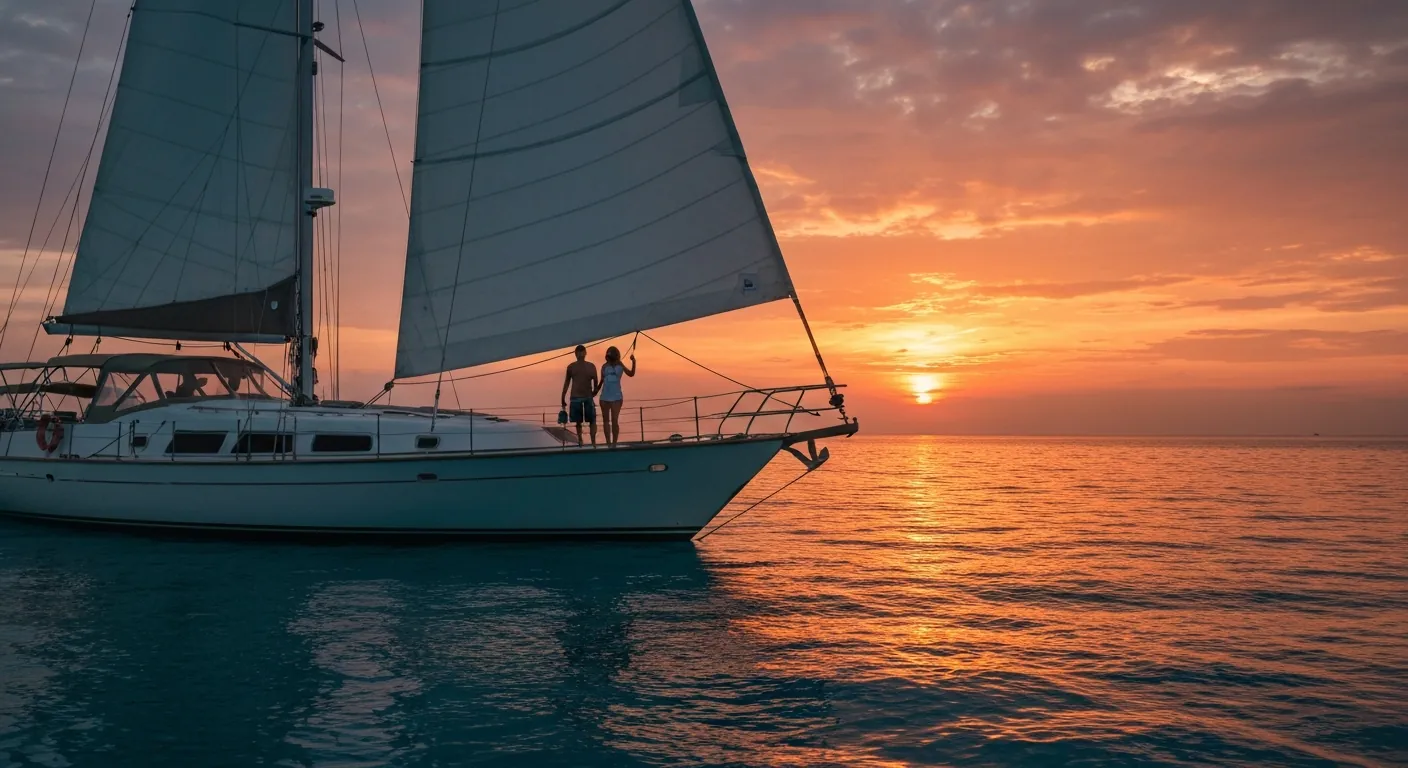
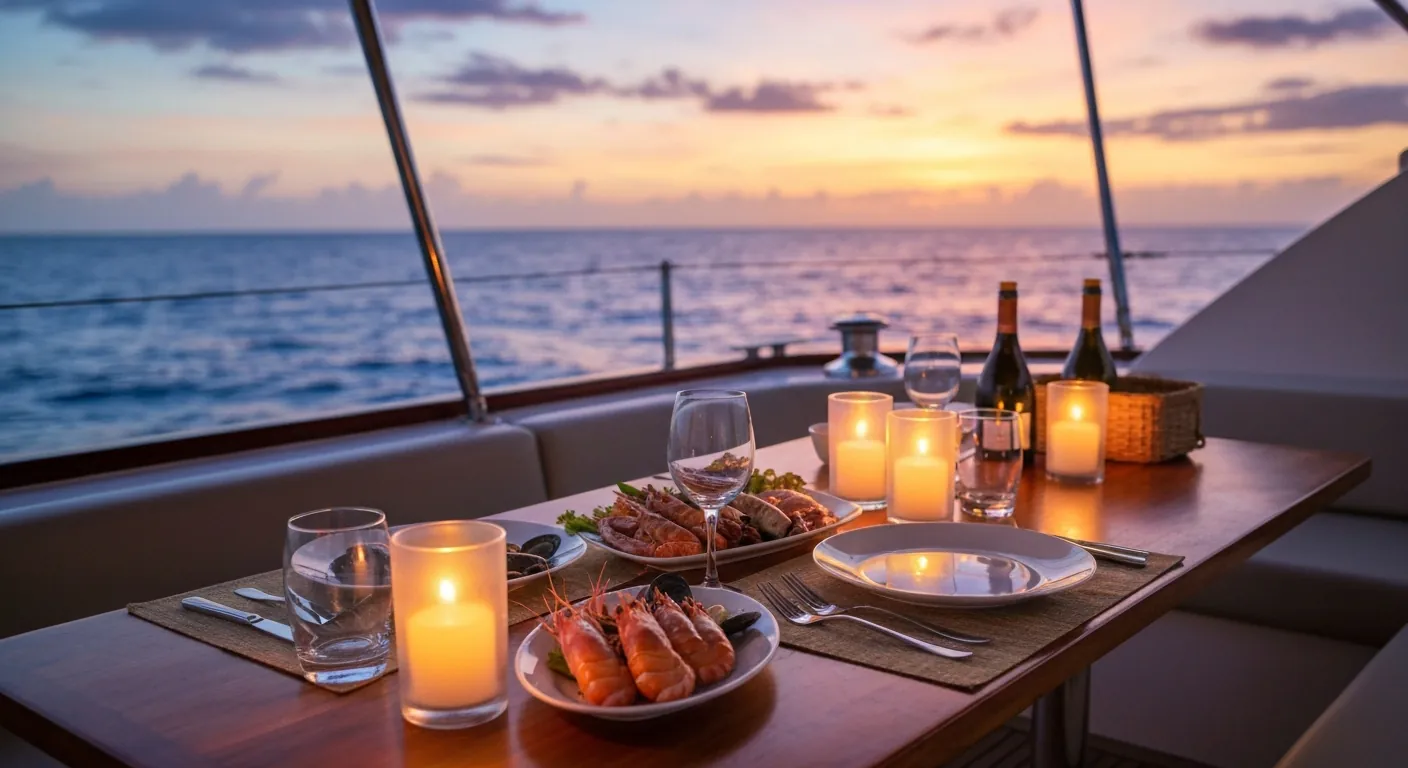
The rise of eco-friendly liveaboard trips in Indonesia signifies a positive shift toward responsible tourism. These vessels prioritize conservation and minimize their environmental impact. For instance, many liveaboards, such as the Eco Liveaboard and the Blue Water Dive Resort, operate with a plastic-free policy, providing reusable water bottles and encouraging divers to avoid single-use plastics. Prices for a week-long, all-inclusive eco-friendly liveaboard trip in Komodo typically range from $1,200 to $2,500 (IDR 18,000,000 to IDR 37,500,000), depending on the season and amenities.
Responsible Snorkeling in Komodo
Snorkeling can be just as impactful as diving sustainability. Responsible snorkeling in Komodo involves adhering to guidelines that protect marine life. This includes the “no touch, no take” principle, which discourages touching or collecting marine organisms. Many operators offer snorkeling tours guided by trained professionals who educate guests on marine ecosystems. A typical snorkeling trip lasts around 4-6 hours and costs approximately $50 (IDR 750,000), including gear rental and a conservation fee.
Conservation Fees and Marine Protected Areas
Diving in Komodo requires paying a conservation fee, which directly supports the maintenance of the national park and its marine protected areas. As of 2026, the fee is approximately $10 (IDR 150,000) per day, contributing to the ongoing protection of coral reefs and endangered species like the manta ray and the Komodo dragon. By participating in this fee structure, divers play a vital role in sustaining the biodiversity of the region.
Low Impact Liveaboard Travel
For those looking to experience the wonders of Komodo without a significant environmental footprint, low impact liveaboard travel is the answer. Many liveaboards use solar energy for power and have waste management practices that include composting and recycling. Options like the Garuda Liveaboard provide a perfect example of how comfort and sustainability can go hand in hand. A typical 7-day itinerary may cost around $1,600 (IDR 24,000,000) and includes diving at popular sites like Castle Rock and Crystal Rock while following eco-conscious guidelines.
Coral Protection Initiatives
Coral reefs in Komodo face challenges from bleaching and human activities. Fortunately, many diving operators are involved in coral protection initiatives, such as coral restoration projects and reef surveys. Divers can participate in these efforts, learning about coral ecology while contributing directly to conservation. Engaging in these activities often adds little cost, usually around $20 (IDR 300,000) for materials, and significantly enhances the diving experience.
Responsible Wildlife Viewing in Komodo
Responsible wildlife viewing is another essential aspect of sustainable tourism in Labuan Bajo. When encountering marine life, divers and snorkelers should maintain a respectful distance, avoiding behavior that stresses animals. This is particularly important in areas known for manta rays and turtles. Tour operators typically guide guests to ensure compliance with ethical wildlife viewing practices, helping to protect both animals and divers.
Tips for Sustainable Diving Practices
- Choose Eco-Friendly Operators: Look for liveaboards and dive shops that prioritize sustainability.
- Avoid Sunscreens Harmful to Coral: Use reef-safe sunscreen to prevent chemical damage to marine life.
- Participate in Clean-Up Activities: Join local beach and reef clean-up events to help reduce ocean pollution.
- Educate Yourself and Others: Share knowledge about the importance of marine conservation with fellow divers.
Frequently Asked Questions
1. What is the average cost of a sustainable diving trip in Komodo?
The average cost of a week-long sustainable diving trip in Komodo ranges from $1,200 to $2,500 (IDR 18,000,000 to IDR 37,500,000), depending on the liveaboard and season.
2. How can I ensure I am diving responsibly?
To dive responsibly, always follow the “no touch, no take” guidelines, participate in conservation activities, and select eco-friendly operators.
3. Are there specific months best for diving in Komodo?
The best months for diving in Komodo are typically from April to November, with peak visibility and marine activity during these times.
Conclusion
Sustainability and responsible diving practices are integral to protecting the rich marine ecosystems of Komodo and beyond. By making conscious choices while diving and snorkeling, we can contribute to the preservation of these underwater paradises for generations to come. Join the movement toward sustainable tourism and make your next dive a responsible one!
Ready to explore the wonders of Komodo while making a positive impact? Plan your sustainable diving trip today!