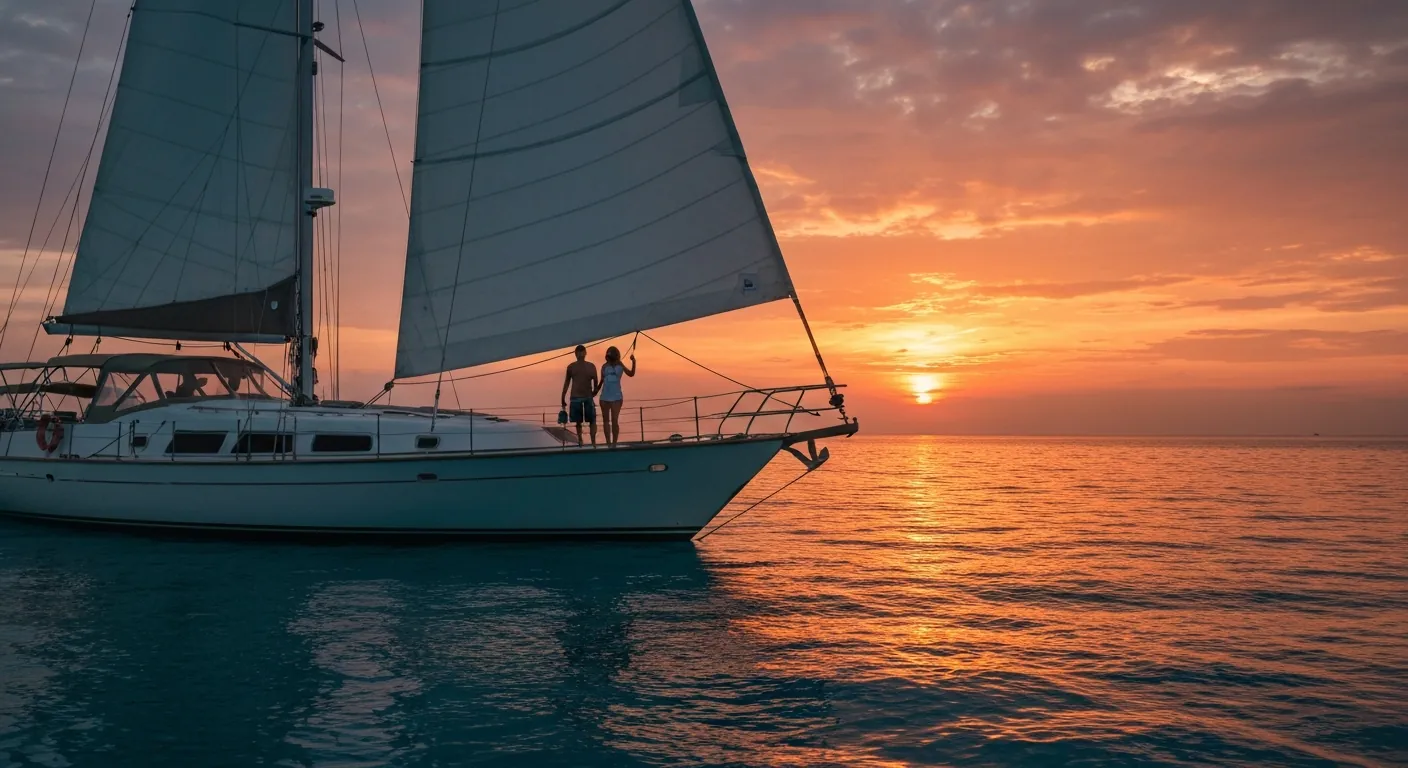
Discover Bali’s underwater biodiversity with its rich marine life, offering divers an unforgettable experience amidst an array of species and vibrant sea life.
Bali Underwater Biodiversity
Known for its stunning beaches and cultural richness, Bali also offers an extraordinary underwater world. The marine life Bali showcases is diverse, with something for every diving enthusiast. This island’s aquatic environment is a crucial part of its allure, attracting divers from around the globe keen on exploring Bali’s underwater biodiversity. The island is located within the Coral Triangle, a region recognized for its vast marine biodiversity. This location contributes to the island’s rich underwater ecosystem, which is home to thousands of species of marine life.
Marine Life in Bali
Bali’s waters are a sanctuary for a wide range of marine species. From vibrant coral reefs to elusive sea turtles, the island’s marine life is both diverse and fascinating. Dive sites around Bali offer encounters with species such as the majestic manta rays and the elusive mola mola, ensuring that every dive is a unique experience. The Nusa Penida region, for example, is renowned for its manta ray cleaning stations, where divers can observe these gentle giants up close. Meanwhile, the mola mola, or ocean sunfish, attracts divers between July and October when the colder currents bring these creatures to shallower waters. The island’s waters also serve as a breeding ground for many species, enhancing the chances of witnessing intriguing marine behaviours.
Species Diversity Diving
Diving in Bali provides an opportunity to witness an impressive variety of species. The island’s coral reefs are home to over 500 species of coral and numerous fish species. This diversity makes Bali a prime destination for species diversity diving, attracting marine biologists and recreational divers alike. Sites such as Menjangan Island are particularly noted for their biodiversity, offering stunning underwater landscapes teeming with life. In addition to fish, divers can expect to see an array of invertebrates, including nudibranchs and octopuses, which are popular subjects for underwater photography. The diversity of marine life in Bali’s waters is a to the island’s ecological importance within the region.
Bali Sea Life Exploration
Exploring the sea life of Bali is a rewarding experience. The island’s waters feature a mix of shallow reefs and deep oceanic walls, providing the perfect backdrop for observing marine biodiversity. ‘re interested in macro photography or simply enjoying the beauty of the underwater world, Bali’s sea life exploration will captivate you. Dive sites such as Tulamben offer wreck dives like the famous USAT Liberty, which has been transformed into a vibrant artificial reef. The coral gardens of Pemuteran are another highlight, showcasing a kaleidoscope of colours and marine life. These sites provide a variety of diving experiences, from easy shore dives to more challenging deep dives, catering to divers of all skill levels.
- Coral Gardens: Vibrant and teeming with life, these offer a kaleidoscope of colours, with hard and soft corals providing shelter for countless marine species.
- Manta Points: Known for sightings of majestic manta rays, with cleaning stations where these rays can be observed being serviced by cleaner fish.
- Wreck Dives: Explore the sunken ships that have become havens for marine life, with the USAT Liberty being one of the most accessible and popular wrecks.
2027 Note on Bali’s Marine Conservation
In 2027, Bali continues to prioritize marine conservation to protect its underwater biodiversity. Initiatives focus on reducing pollution, preserving coral reefs, and promoting sustainable tourism practices. These efforts ensure that future generations can enjoy the island’s rich marine life. Conservation programs involve local communities and international partners, aiming to enhance coral restoration projects and establish marine protected areas. Education campaigns are also crucial, aiming to raise awareness about the importance of marine conservation among both locals and visitors. These combined efforts are vital for maintaining the health of Bali’s marine ecosystems.
FAQ
What is the underwater biodiversity like in Bali?
Bali’s underwater biodiversity is rich and varied, with over 500 species of coral and a plethora of marine life including manta rays, sea turtles, and the elusive mola mola, offering divers an immersive experience. The island’s position within the Coral Triangle contributes to its status as a marine biodiversity hotspot.
What is the best time of year for diving in Bali?
The best time for diving in Bali is during the dry season from April to October, when conditions are optimal for visibility and calm seas. During this period, water temperatures range from 26°C to 30°C, providing comfortable diving conditions. July to October is particularly notable for mola mola sightings.
Are there specific dive sites recommended for beginners?
Yes, sites like Padang Bai and Amed offer calm waters and diverse marine life, making them ideal for beginner divers. These locations provide easy shore access and gentle currents, allowing new divers to explore the underwater world safely. Instructors and dive centres in these areas are experienced in catering to novice divers, ensuring a safe and enjoyable experience.