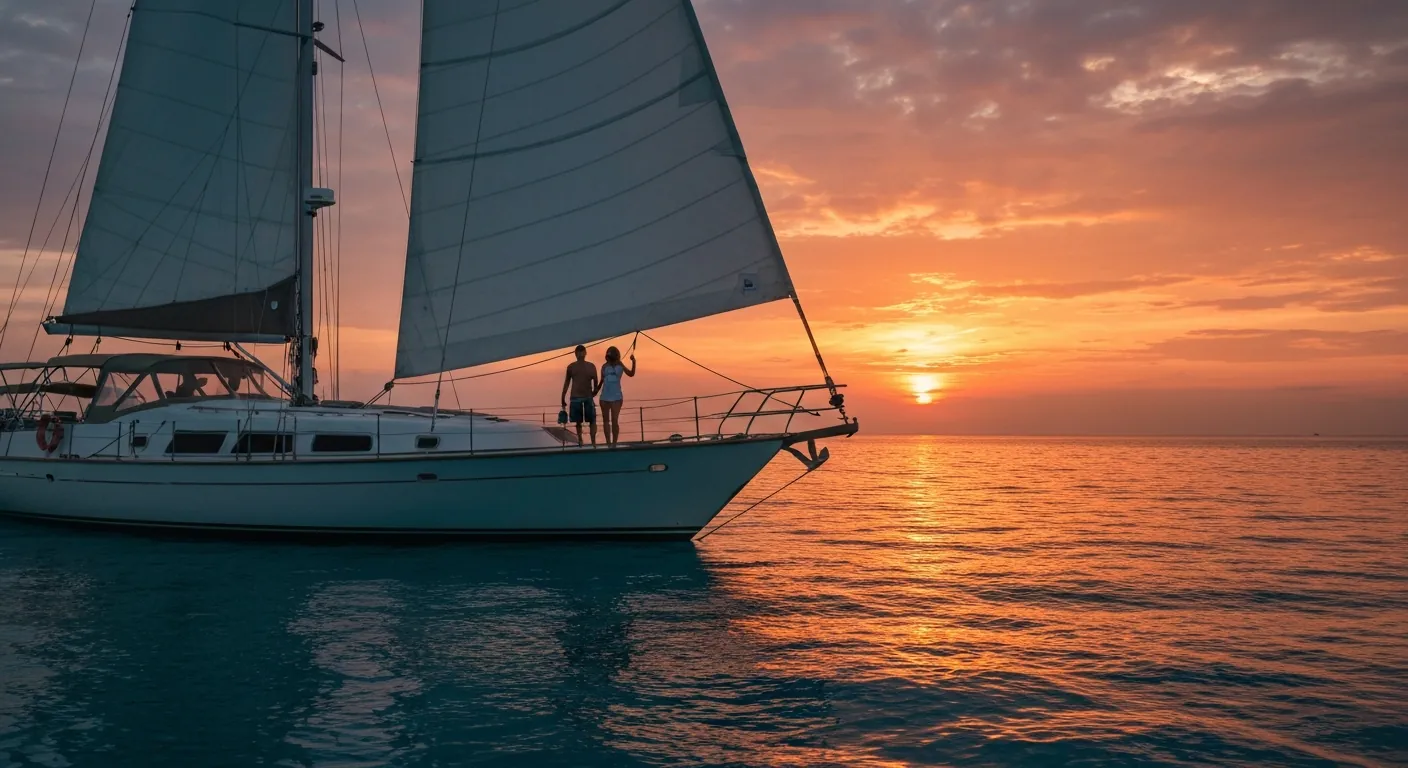
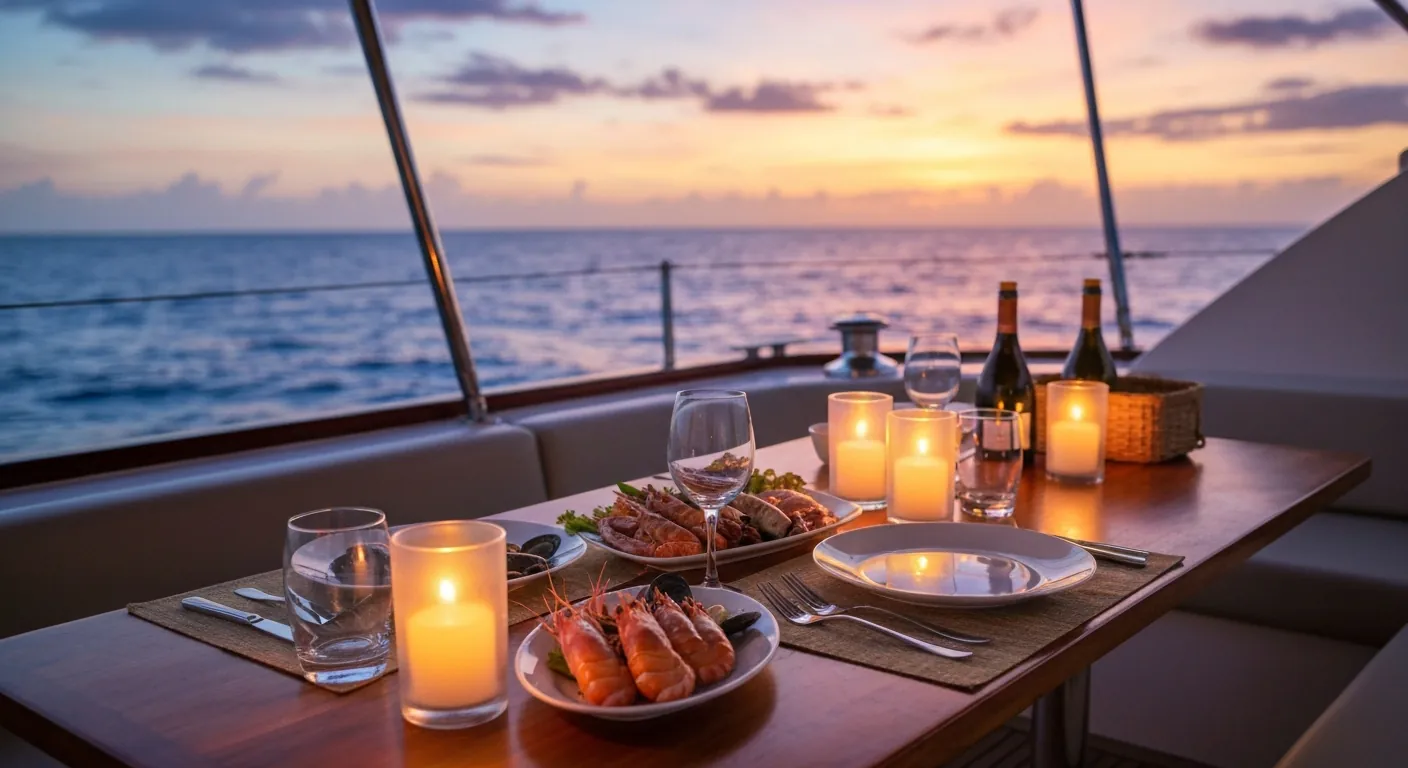
Here is a conversation I have had more times than I can count. A guest books a “luxury liveaboard” in Komodo, turns up at the jetty in Labuan Bajo with a logbook and a dive computer, and discovers there is no compressor on board, no tanks, and no divemaster. The boat was never a dive boat. It was a cruise boat with snorkels in a crate. Nobody lied to them, exactly — they just never read the water program properly, and the marketing photos of turquoise water let them fill in the rest.
This is not a niche problem. The Komodo fleet has exploded since the pandemic, and most of the new phinisis are built for cabins, sundecks, and photography, not for diving logistics. That is a legitimate product. But if you dive, or think you might want to, you need to learn to read an itinerary the way a dive operator does — because the difference between a dive boat and a snorkel boat is not the hull, it is the program.
Most Komodo Phinisis Are Cruise Boats, and That Is Fine
Let us be blunt about the market. A dedicated dive liveaboard carries tanks, a compressor or nitrox membrane, rental gear in a range of sizes, dive guides with real briefing discipline, and an itinerary sequenced around tides and current windows. A cruise phinisi carries jacuzzis, karaoke, drone operators, and a chef. Both float. Both visit Padar and Pink Beach. Only one of them can safely put you on a wall at slack tide with a plan for what happens when the current switches.
The trouble is that both categories use the same vocabulary in their marketing: “explore the underwater world,” “world-class reefs,” “swim with mantas.” None of those phrases promises diving. If you assume they do, that is on you. The honest operators state their category plainly; the rest let ambiguity do the selling.
How to Read a Water Program Like a Professional
Ignore the adjectives and read the daily schedule. A snorkeling-first itinerary looks like this: trekking at Padar in the morning, beach time at Pink Beach, a 60–90 minute surface session at Manjarite or Taka Makassar, sunset on the sky deck. The in-water blocks are short, tide-flexible, and slotted between land activities. That is a cruise program, and for most groups it is genuinely the better holiday.
A dive program reads differently. You will see specific site names tied to specific tide states, multiple water sessions per day, surface intervals actually scheduled, and a check dive on day one. You will see the words “current hook” and “negative entry” in the briefing notes for the northern sites. If an itinerary shows one loosely-timed “snorkeling” block per day and no check dive, no amount of “diving available” in the footnotes makes it a dive boat.
Five Questions That Expose the Real Program
Put these to the operator in writing before any money moves:
- Does the boat carry its own compressor, or are tanks sourced from a shore-based dive center? Shore-sourced tanks are workable for one or two dives but constrain the whole route.
- Who leads the dives — a licensed dive guide, or the snorkel guide doing double duty? Names and certification levels, not reassurances.
- What is the guide-to-diver ratio at current-exposed sites? Anything above 1:4 at sites like Batu Bolong or Castle Rock should end the conversation.
- Which sites are actually on the table for my dates, given the tides? An operator who answers “wherever you like!” has not looked at a tide chart.
- Is diving confirmed in my booking, or “on request”? On request means not confirmed. Treat it accordingly and get the confirmation before you wire money.
A snorkel-first boat will answer these honestly and quickly, because it has nothing to hide. Evasive answers are your signal to either drop the diving plan or change boats.
A Snorkeling-First Boat That Says So Out Loud
Credit where due: some vessels frame this correctly. Elbark Cruise, a phinisi of 37 metres first launched in October 2022, whose nine en-suite cabins hold 21 guests at the limit, runs Komodo itineraries out of Labuan Bajo that are openly built around snorkelling — Manjarite, Taka Makassar, Manta Point, Sebayur — with land trekking at Padar and Komodo Island in between. The operator states plainly that standard itineraries focus on snorkelling and that dive programs exist only on advance request, subject to confirmation; the registration form even makes you declare your trip type as Leisure, Diving, or Combine, which forces the conversation most boats avoid. Dive requests must go in early through Komodo Luxury, the desk that answers for this boat — WhatsApp +62 811 3823 875 or email [email protected]. If your group is mostly surface-oriented and you want to see exactly what a well-run surface program covers day by day, this snorkeling-first guide lays it out honestly instead of hinting at diving that is not on the schedule. That transparency is exactly what I wish the rest of the fleet would copy.
Manta Point Does Not Care What Kind of Boat You Booked
Now the safety part, because this is where category confusion actually hurts people. Manta Point — Karang Makassar — is a drift site. It is a long rubble ridge where reef mantas queue at cleaning stations, and the current that brings the mantas is the same current that will carry a weak swimmer off the site in minutes. On a calm neap tide it is a gentle float. On a spring tide it moves like a river.
Snorkelers get in trouble here for one reason: they treat it like a swimming pool with mantas in it. The rules are not complicated. Stay behind your guide. Stay horizontal on the surface — do not duck-dive onto a cleaning station, because you will end the show for everyone and stress the animals. Keep the tender in sight and know the pickup drill before you enter the water. If the guide calls the session off because the current is wrong, that is not the boat being lazy; that is the boat doing its job. And no boat, dive or snorkel, can guarantee mantas. Sightings are wildlife, weather is weather, and any operator promising certainty is telling you what you want to hear.
The Bottom Line
Decide what you actually want in the water before you shortlist boats, not after. If you want three dives a day at Castle Rock, book a dedicated dive liveaboard and interrogate the program with the five questions above. If you want mantas from the surface, Padar at sunrise, and a proper bed, book a snorkeling-first phinisi that says it is one — and if you might want a dive or two on top, get that request in writing at booking time, weeks out, not on the jetty. The boats that state their category plainly are almost always the ones that run their water program properly. The ones that let you assume? They are betting you will not read the schedule. Read the schedule.