Bali marine conservation is a vital initiative aimed at preserving the island’s rich underwater ecosystems through dedicated conservation projects and reef restoration efforts. These efforts are crucial for maintaining biodiversity and ensuring the health of marine life for future generations.
Bali Marine Conservation: An Ongoing Commitment
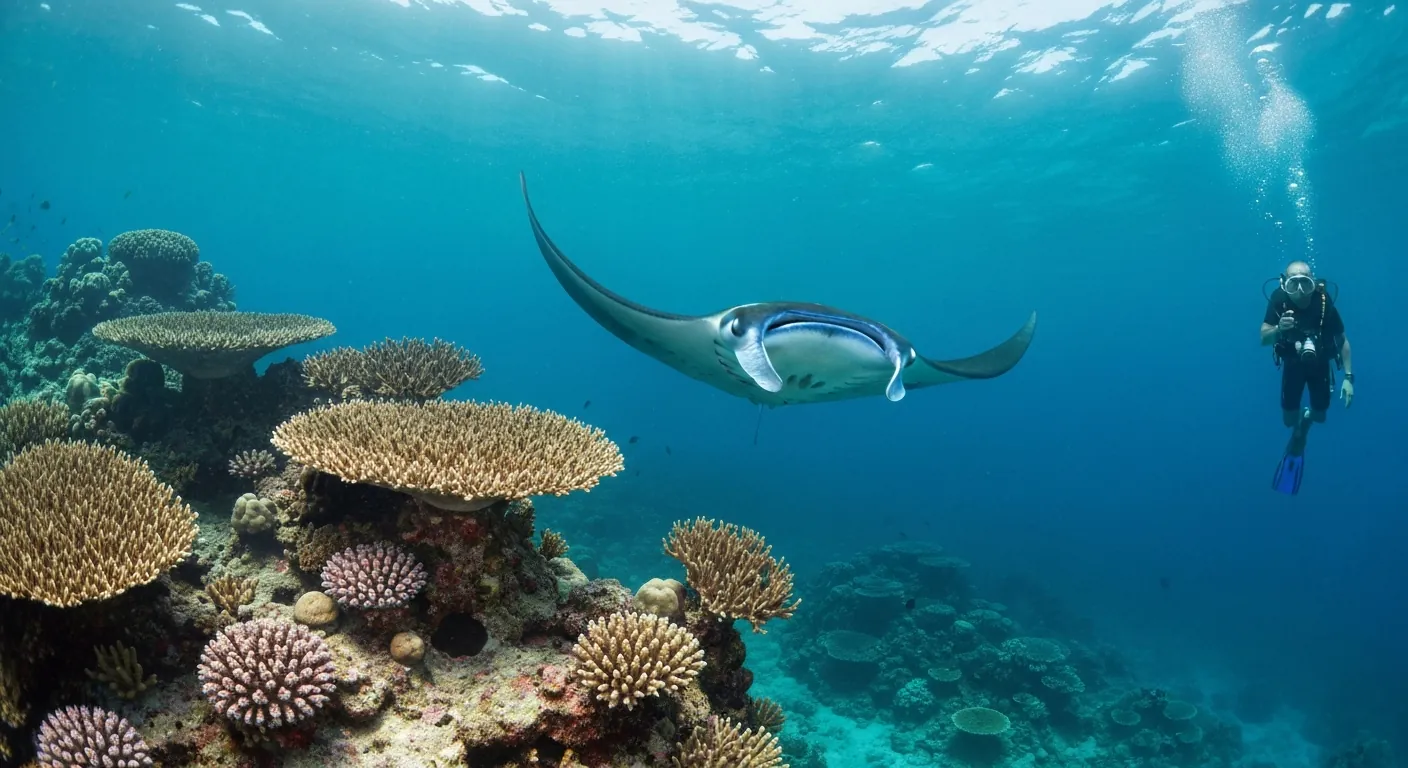
Bali, renowned for its vibrant marine biodiversity, has long been at the forefront of marine preservation. The island is home to over 500 species of coral and an estimated 2,000 species of fish, making it a critical area for marine biodiversity. As tourism grows, so do efforts to protect and maintain the island’s underwater beauty through various conservation projects and reef restoration initiatives. The tourism industry, which welcomes millions of visitors annually, plays a dual role—both as a potential threat to delicate ecosystems and as a source of funding and awareness for conservation efforts.
Current Marine Conservation Efforts in Bali
What are the current marine conservation efforts in Bali? Bali’s marine conservation efforts are multi-faceted, focusing on coral reef restoration, marine protected areas, and community-based management strategies. These initiatives aim to combat coral bleaching, overfishing, and pollution, ensuring the sustainability of marine ecosystems. Coral bleaching, often exacerbated by rising sea temperatures, poses a significant threat. In response, conservationists are working to identify and protect resilient coral species that can withstand thermal stress.
Conservation Projects Bali: A Collaborative Approach
Several conservation projects in Bali are spearheading efforts to protect marine life. These include community-based reef restoration programs, educational campaigns about sustainable fishing practices, and initiatives to reduce marine pollution. Collaboration between local communities, NGOs, and government bodies plays a crucial role in these projects. For example, the establishment of marine protected areas (MPAs) around sites like Nusa Penida and Menjangan Island aims to preserve critical habitats and allow ecosystems to recover. Furthermore, educational programs target both local populations and tourists, emphasizing the importance of sustainable practices such as catch limits and the use of eco-friendly sunscreens.
- Community-driven reef restoration projects: These involve local fishermen and residents who actively participate in restoring damaged coral reefs by planting coral fragments and maintaining artificial reef structures.
- Marine protected areas establishment: MPAs are designated zones where human activity is regulated to protect natural resources. These areas often encompass diverse habitats, including coral reefs, mangroves, and seagrass beds.
- Educational programs on sustainable practices: Workshops and seminars are conducted to educate locals and visitors about the impacts of overfishing and the benefits of sustainable fishing techniques.
- Efforts to combat marine pollution: Initiatives include regular beach clean-ups, waste management improvements, and campaigns to reduce single-use plastics.
Protecting Marine Life: A Shared Responsibility
Protecting marine life in Bali involves not just local stakeholders but also tourists and divers. By practicing responsible diving and supporting local conservation efforts, visitors can actively contribute to preserving Bali’s underwater ecosystems. Divers are encouraged to follow guidelines that prevent contact with coral and marine life, use reef-safe sunscreens, and avoid collecting marine souvenirs. Explore liveaboard diving options that adhere to eco-friendly practices, ensuring a minimal impact on the environment. Additionally, tourists can participate in guided tours that include educational components, enhancing their understanding of the marine environment and conservation needs.
Reef Restoration Bali: Reviving Coral Gardens
Reef restoration in Bali is a significant component of marine conservation. Efforts include coral transplantation, artificial reef structures, and the use of biotechnologies to enhance coral resilience. These projects are essential for reviving damaged reefs and maintaining biodiversity. Coral transplantation involves taking healthy coral fragments from resilient donor sites and attaching them to degraded areas to promote regrowth. Artificial reef structures, often made from materials like steel or concrete, provide a framework for coral colonization and habitat for marine life.
| Conservation Effort | Focus Area |
|---|---|
| Coral Transplantation | Revitalizing damaged reefs by attaching coral fragments to degraded areas to promote regrowth and biodiversity. |
| Artificial Reef Structures | Creating habitats for marine life using materials like steel or concrete that encourage coral colonization and provide shelter for fish. |
| Biotechnologies | Enhancing coral resilience through techniques such as selective breeding and genetic modification to develop heat-resistant coral strains. |
2027 Note: Future Directions and Innovations
As of 2027, Bali’s marine conservation efforts are increasingly incorporating innovative technologies such as drone monitoring and AI-driven data analysis to enhance the effectiveness of conservation strategies. Drones are used to survey large areas of reef quickly, providing high-resolution images that help identify areas in need of intervention. AI-driven data analysis can process vast amounts of ecological data to detect patterns and predict future changes in biodiversity, allowing for more precise and timely conservation actions.
For those interested in supporting these initiatives, engaging with local conservation groups or participating in volunteer programs during a liveaboard diving trip can be a meaningful way to contribute. Such programs often involve hands-on activities like coral planting or data collection, providing participants with a deeper understanding of marine conservation challenges and solutions.
FAQ
What are the current marine conservation efforts in Bali?
Bali’s current marine conservation efforts include coral reef restoration, establishing marine protected areas, community-based management strategies, and educational programs to promote sustainable practices. These efforts aim to address threats such as coral bleaching, overfishing, and pollution, ensuring the long-term health of marine ecosystems.
How can tourists contribute to marine conservation in Bali?
Tourists can contribute by supporting eco-friendly diving operations, participating in beach clean-ups, and engaging with local conservation projects during their liveaboard diving adventures. By choosing operators committed to sustainability and actively participating in conservation activities, visitors can help protect Bali’s marine environments.
What technologies are being used in Bali for marine conservation?
Advancements such as drone monitoring and AI-driven data analysis are increasingly used to track reef health and biodiversity, enhancing the effectiveness of conservation efforts. These technologies allow for more accurate mapping of coral reefs, monitoring changes over time, and implementing targeted conservation measures.